
Cloves may be small, but their quality can make a noticeable difference in tea, biryani, curries, marinades and spice blends. A good clove should deliver a strong, warm aroma even before it reaches the pan. Poor-quality cloves, on the other hand, may look dry, broken or faded and can contribute much less fragrance to food.
Learning how to identify good quality cloves before buying helps you choose whole cloves that are aromatic, properly dried and worth keeping in your spice cupboard. You do not need specialist equipment. Colour, shape, aroma, texture and the condition of the flower bud already tell you a great deal.
How to Identify Good Quality Cloves at First Look
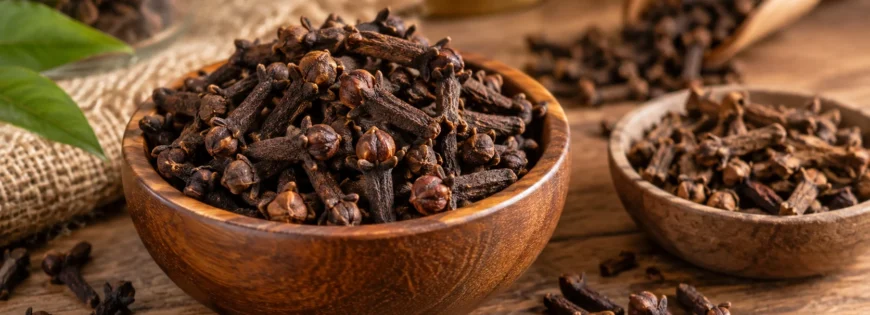
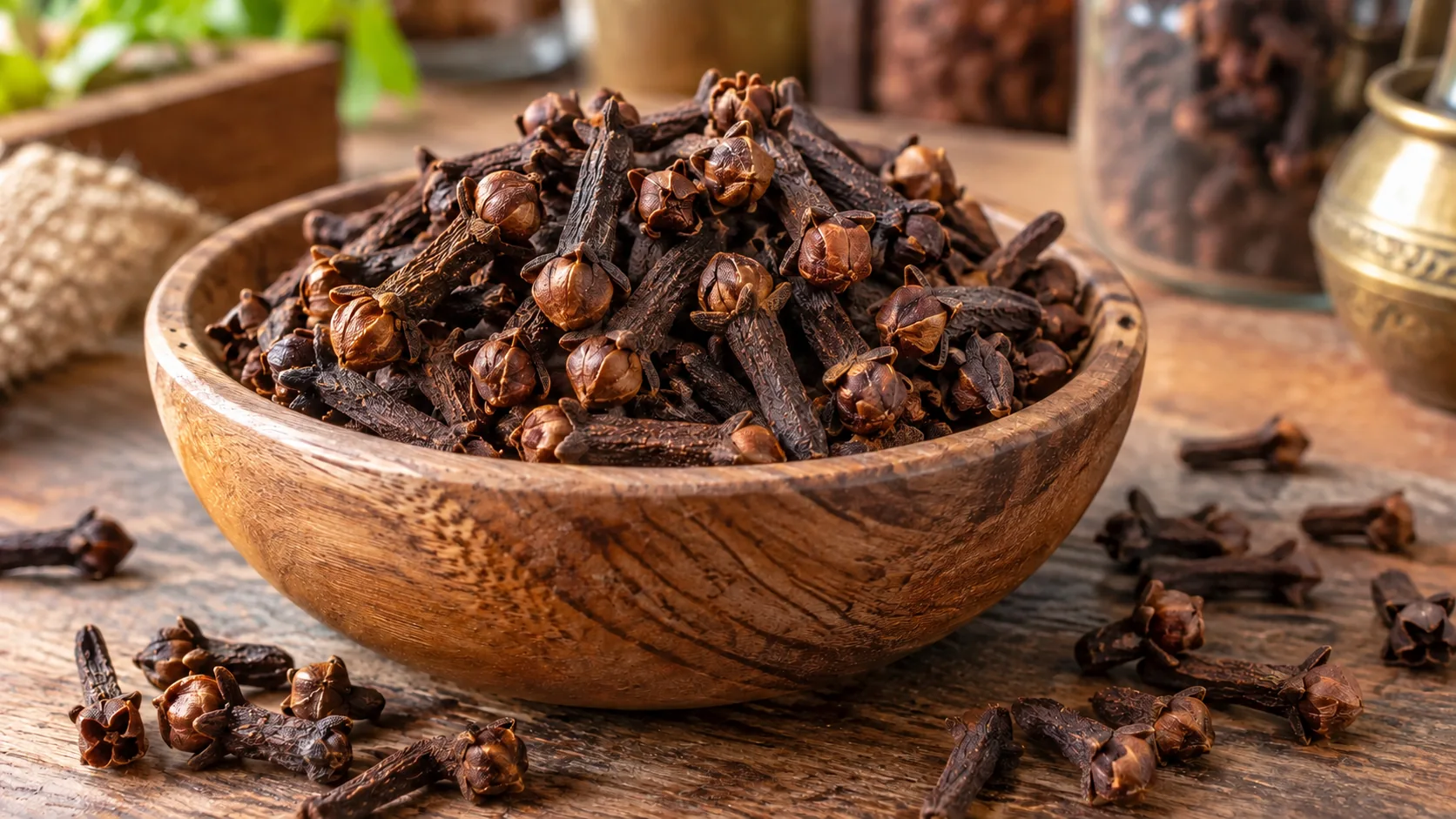
When you are buying whole cloves, begin with the simplest test: look closely at the spice. A clove is the dried flower bud of the clove tree, so a good whole clove should still have a recognisable stem and a rounded bud at the top.
Look for cloves that are reasonably uniform, full-bodied and mostly intact. Some natural variation in size and colour is normal, but a packet containing a very high proportion of broken stems, missing heads, dust or tiny fragments is less desirable when you are specifically buying whole cloves.
Colour is another useful clue. Fresh-looking dried cloves generally have a deep brown to reddish-brown appearance. Extremely pale, greyish or lifeless-looking material may indicate age, poor handling or loss of quality.
Smell the Cloves Before You Judge Their Quality
Appearance is important, but aroma is one of the easiest ways to judge cloves. Good quality cloves should have a strong, warm, sweet-spicy fragrance. You should not need to struggle to detect their characteristic smell.
If possible, take one clove and gently press or break it. The aroma should become noticeably stronger. Cloves contain naturally aromatic oils, and their distinctive fragrance is one reason they are used in such small quantities in cooking.
If the cloves smell very weak, dusty, musty or stale, that is a warning sign. Aroma naturally changes over time, especially when spices are exposed repeatedly to air, heat and moisture.
What to Check Before Buying Whole Cloves
Check the colour
Look for natural deep brown to reddish-brown cloves rather than very pale, dusty or unusually faded pieces.
Check the flower head
Good whole cloves should have many rounded buds still attached. Excessive headless stems can indicate more breakage.
Check the aroma
Good cloves should smell clearly warm, spicy and aromatic, especially when lightly crushed.
Check cleanliness
Choose cloves that look clean and properly dried, without visible mould, moisture, excessive dust or unrelated foreign material.
Good Quality Cloves and Poor Quality Cloves: What Is the Difference?
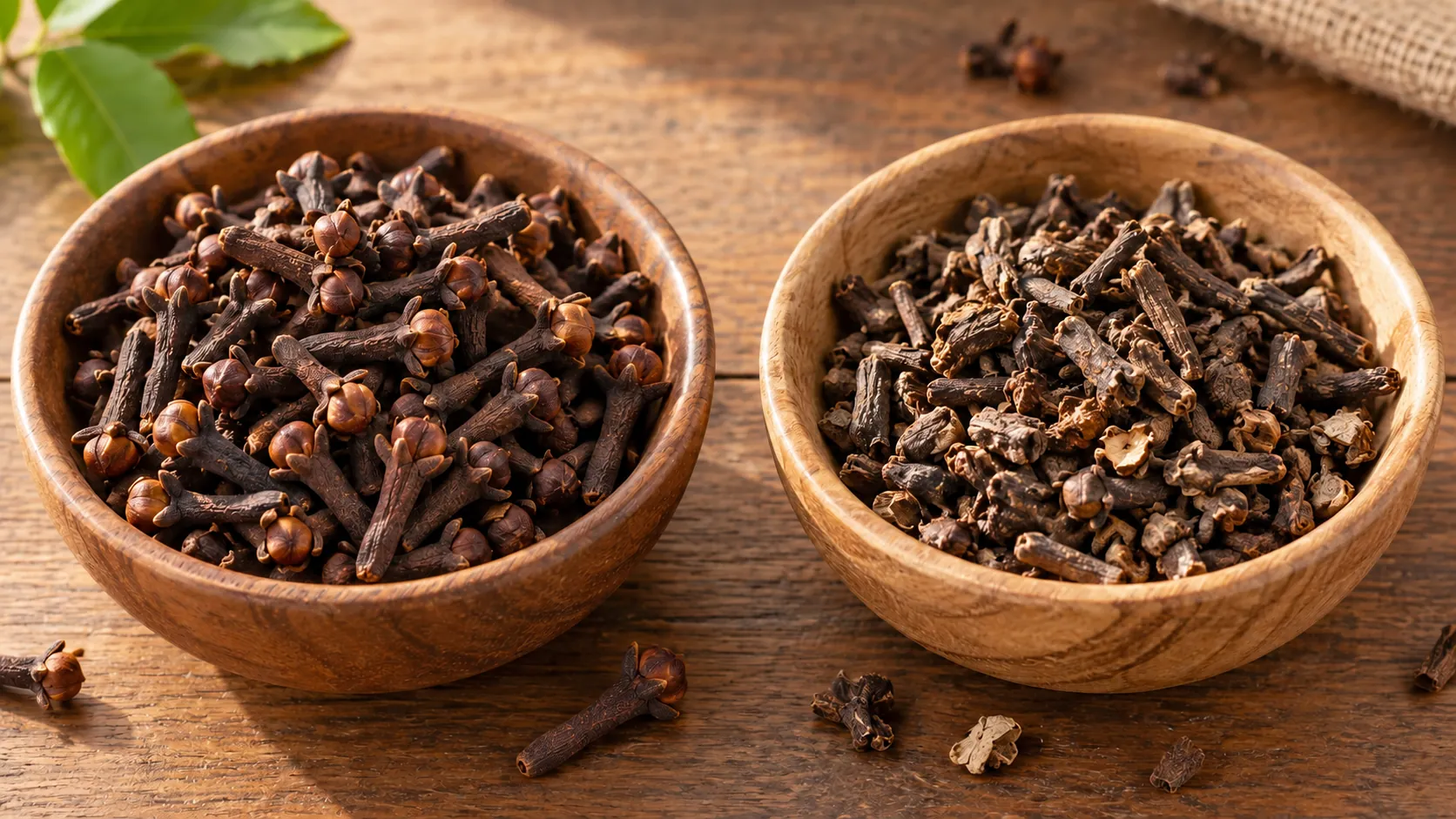
Comparing two batches side by side makes clove quality easier to understand. Better cloves usually look more complete, feel properly dried and release a more pronounced aroma. Lower-quality material may contain more broken pieces, missing flower heads and dry fragments.
This does not mean every clove in a good batch must be identical. Cloves are an agricultural product, so natural differences will occur. What matters is the overall condition and consistency of the pack.
How to Check Clove Quality Before You Buy
| Quality check | What to look for | Possible warning sign |
|---|---|---|
| Colour | Natural brown to deep reddish-brown appearance | Very pale, grey or lifeless appearance |
| Shape | Recognisable stem with rounded flower bud | High quantity of crushed and fragmented material |
| Aroma | Strong, warm and characteristically clove-like | Weak, musty, dusty or stale smell |
| Dryness | Properly dried without visible moisture | Dampness or signs of moisture |
| Cleanliness | Mostly clean whole cloves | Excessive dust, debris or foreign material |
| Flower head | Many cloves retain their rounded heads | Large proportion of bare stems or broken heads |
Why the Clove Head Matters When Checking Quality
The rounded portion at the top of a whole clove is the unopened flower bud. Seeing a good proportion of complete buds in the pack is useful because it shows that the cloves have not been excessively broken during handling, packing or transport.
A few broken cloves are completely normal. The concern is when the packet contains mostly stems, crushed buds and small fragments instead of recognisable whole cloves. If you are paying for whole cloves, the majority of the product should look whole.
Should Good Cloves Feel Dry?
Dried cloves should feel firm and properly dried rather than damp. Moisture is especially important to watch for because spices should be stored in conditions that keep them dry.
Do not judge quality simply by assuming the driest-looking clove is automatically the best. The better approach is to combine several signs: a clean appearance, intact shape, strong aroma, proper dryness and good storage.
How to Identify Fresh Cloves After Opening the Pack
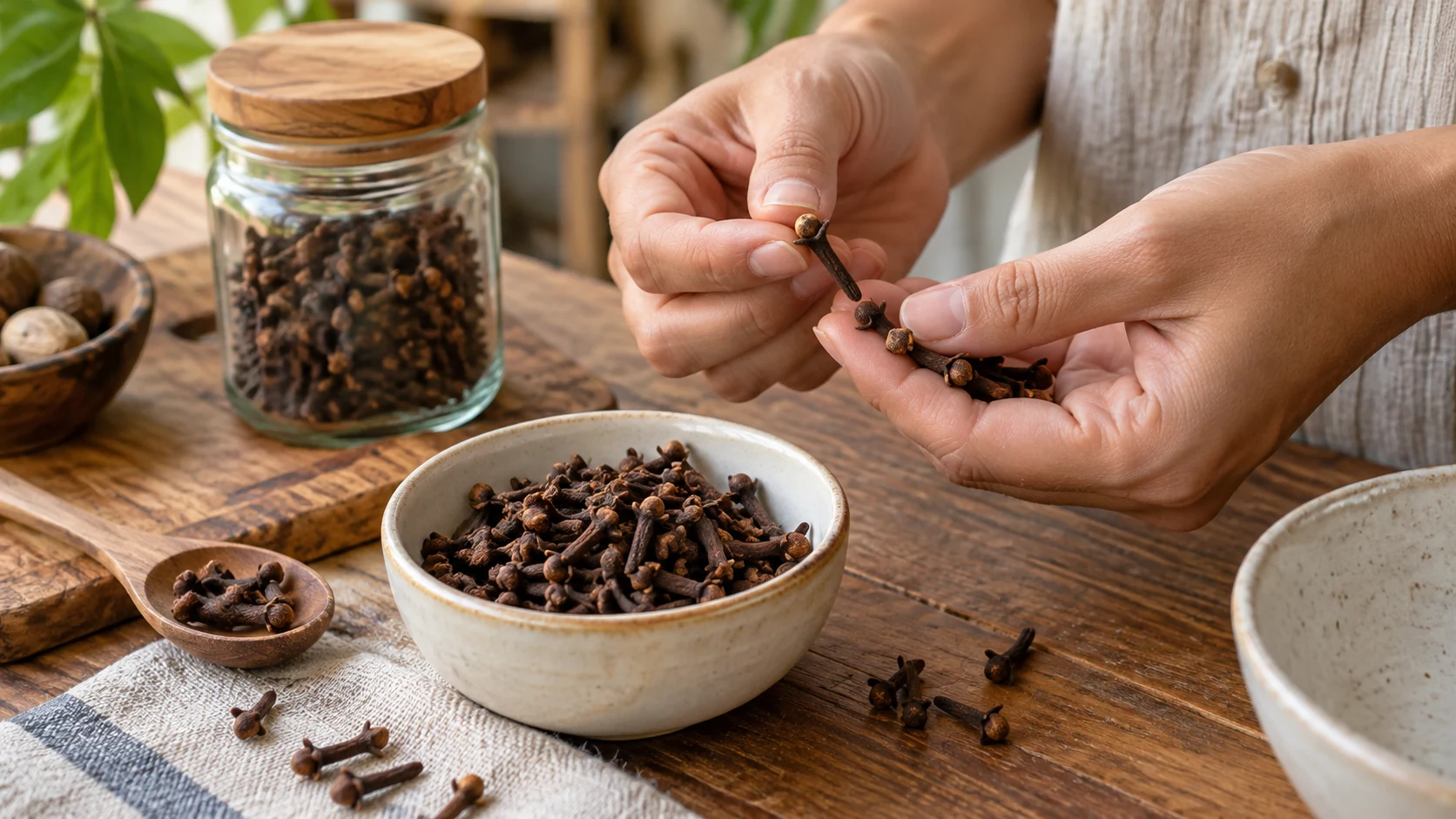
Once you bring the cloves home, place a few on a clean plate and inspect them individually. Look at the colour and condition of the flower heads, then smell the cloves directly.
Lightly crush one clove using the back of a spoon or a mortar and pestle. Breaking the clove exposes more of its aromatic interior, so the fragrance should become easier to notice.
This simple aroma check is useful when comparing an older pack in your cupboard with a newly purchased one.
Why Buying Whole Cloves Makes Quality Easier to Judge
Whole cloves allow you to examine the spice before using it. You can see whether the buds are intact, compare their colour, check for excessive breakage and crush them freshly when required.
Whole spices also offer more flexibility in cooking. You can add cloves whole to biryani, pulao, curries and broths, or crush them when you want stronger and faster flavour release.
For home kitchens, buying cloves in quantities that match your normal usage can also help. A smaller pack that is used regularly may be more practical than keeping a very large quantity open for a long period.
What to Check on a Pack of Cloves Before Buying
Clove quality is not only about the spice itself. Packaging protects the cloves after processing and during storage. Choose packs that are properly sealed and free from visible damage.
Check the product name, net quantity, packing information, best-before guidance and storage instructions. Avoid packs that appear torn, improperly sealed or exposed to moisture.
If the cloves are sold in a transparent pack, examine the amount of broken material at the bottom. A small amount is natural, but excessive powder and fragments may indicate rough handling or a lower proportion of whole cloves.
How to Store Good Quality Cloves Properly
Even good cloves can gradually lose aroma if they are stored badly. Transfer opened cloves to a clean, dry and tightly sealed container, or close the original resealable pack carefully after every use.
Keep them in a cool, dry and dark cupboard away from direct sunlight, steam and heat. Avoid storing the container directly above or beside the stove.
Always use a dry spoon and close the container as soon as you have taken out the quantity you need. These small habits help protect the natural aroma of the cloves.
A Quick Checklist for Choosing Good Quality Cloves
Whole shape
Choose a pack where most cloves are recognisable and intact rather than heavily crushed.
Strong aroma
The cloves should have a distinctive warm and spicy smell when opened or lightly crushed.
Natural colour
Look for healthy brown to reddish-brown tones rather than extremely faded material.
Clean pack
Avoid cloves showing visible moisture, mould, excessive dust or foreign material.
Intact buds
A good proportion of rounded flower heads should still be attached to the stems.
Secure packaging
Choose properly sealed packaging with clear product and storage information.
Good Cloves Should Appeal to More Than Just the Eye
Knowing how to identify good quality cloves becomes much easier once you stop judging the spice by colour alone. Good cloves combine a healthy appearance with a strong characteristic aroma, intact buds, proper dryness, cleanliness and secure packaging.
When possible, compare the cloves before buying. Look at the amount of breakage, examine the flower heads and notice the aroma when the pack is opened. At home, crush one clove and see how clearly the fragrance develops.
These simple checks can help you choose cloves that bring the warm, concentrated spice character you expect when preparing tea, biryani, curries, desserts and traditional spice blends.
FAQs
How can I identify good quality cloves?
Look for mostly whole cloves with natural brown to reddish-brown colour, intact rounded flower buds, a strong characteristic aroma and no visible moisture, mould or excessive broken material.
What colour should good quality cloves be?
Whole cloves commonly have brown to deep reddish-brown tones. Natural variation is normal, so colour should be considered together with aroma, shape and overall condition.
How do I check whether cloves are fresh?
Smell them and lightly crush one clove. A reasonably fresh clove should release a clear, warm and characteristic clove aroma.
Are broken cloves poor quality?
A small amount of breakage is normal in an agricultural product. However, when buying whole cloves, a pack containing excessive broken stems, crushed buds and powder is less desirable.
Why should the flower head of the clove be intact?
The rounded head is part of the dried flower bud. A good proportion of intact heads indicates that the cloves have remained relatively whole during processing and handling.
Should good cloves have a strong smell?
Yes. Cloves are naturally aromatic, so a clear warm and spicy fragrance, particularly when lightly crushed, is a useful sign when assessing them.
How should I store whole cloves after buying them?
Keep them in a clean, dry and airtight container in a cool, dark cupboard away from sunlight, moisture, steam and direct heat.
Is it better to buy whole cloves or clove powder?
Whole cloves make it easier to visually inspect quality and allow you to crush or grind only the amount required for a recipe.
Bring Whole Clove Aroma Into Your Kitchen
Explore whole spices from Idukki Spices & Herbs and choose aromatic spices for tea, biryani, curries, desserts and everyday cooking.
Explore Idukki Spices