

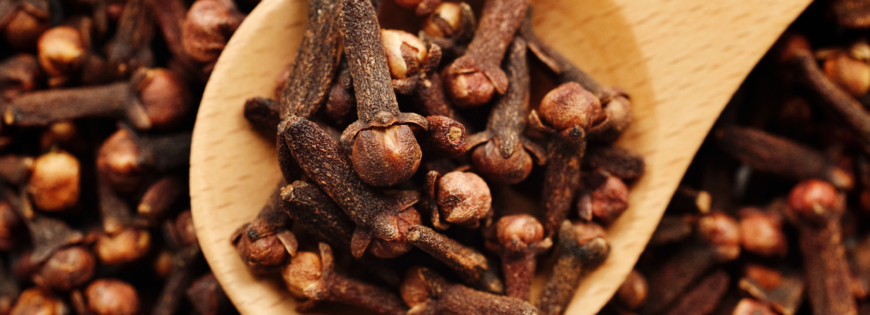
Black pepper is one of the most used spices in Indian kitchens, but it is also one of the easiest to misunderstand. Many people buy pepper by colour alone. If it looks black, they assume it will be strong. But real pepper quality is not decided by colour alone. It is decided by heat, aroma, density, drying, freshness, and how the peppercorn behaves when it is crushed.
Good pepper does not just burn the tongue. It wakes up food slowly. It brings a warm, woody sharpness to rasam, eggs, soups, meat, marinades, stir-fries, kanji, and everyday curries. A few fresh peppercorns can make a simple dish feel deeper. Flat pepper, on the other hand, only adds black specks.
At Idukki Spices & Herbs, black pepper belongs to the same origin-led story as our cardamom, cloves, nutmeg, cinnamon, and other whole spices. It is a spice that should be understood from the vine to the kitchen, not only from the packet.
How do you choose black pepper with real heat and aroma?
Choose whole black peppercorns that feel bold, firm, dry, clean, and naturally aromatic when crushed. The aroma should rise quickly after grinding: warm, woody, spicy, slightly sharp, and fresh. The heat should feel clean and lingering, not dusty, bitter, or stale.
Avoid pepper that smells musty, damp, smoky, hollow, dusty, or old. Pepper powder may be convenient, but it loses aroma faster once ground. Whole peppercorns protect the flavour better, especially when stored in an airtight container and crushed only when needed.
Kitchen truth: Real pepper should make food feel warmer and more alive. If your pepper does not change the smell of rasam, eggs, soup, or marinade after crushing, it has already lost too much of its character.
Why Kerala black pepper still matters
Black pepper has a deep connection with Kerala’s spice history. The Western Ghats and the old Malabar spice routes made pepper more than a kitchen ingredient. It became part of Kerala’s farming memory, trade identity, and global spice reputation.
The reason this matters to a buyer is simple. Pepper is not a factory-made flavour. It changes with vine health, maturity, rainfall, harvest timing, drying, storage, and sorting. A peppercorn from a well-handled crop can feel alive in a grinder. A poorly dried or poorly stored peppercorn may look similar but smell flat.
For a basic botanical reference, black pepper comes from Piper nigrum. But for a home cook, the real question is more practical: does this pepper make your food warmer, sharper, and more aromatic?
What makes pepper hot, sharp, and aromatic?
The heat in black pepper comes mainly from piperine. It is different from chilli heat. Chilli hits quickly and directly. Pepper heat builds more slowly. It rises through the nose and throat and leaves a warmer finish.
Aroma comes from volatile oils inside the peppercorn. These are delicate. They fade faster after grinding because more surface area is exposed to air, light, and moisture. This is why freshly crushed pepper often tastes much better than old pepper powder.
Piperine gives the bite
Good pepper should give a clean, rising warmth rather than a flat or bitter burn.
Fresh oils lift the food
Freshly crushed pepper should smell woody, warm, spicy, and slightly sharp.
Whole corns protect better
Whole pepper keeps its character longer than powder when stored properly.
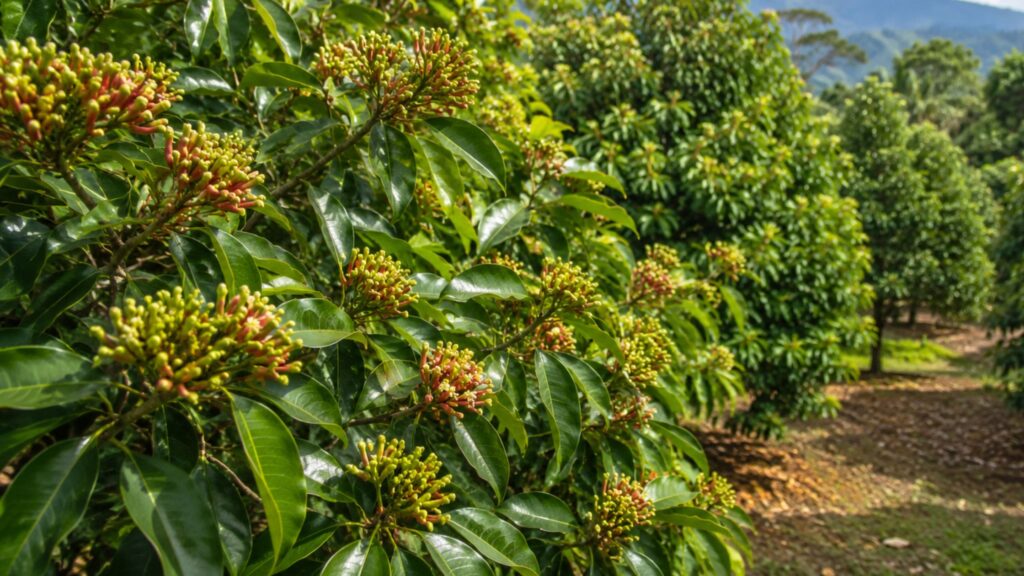
The journey behind real pepper heat and aroma
Good black pepper is not made at one stage. It begins on the vine, but the final quality depends on maturity, harvest timing, drying, sorting, storage, and how the pepper is used in the kitchen.
This is why two peppercorns can look similar and taste completely different. One may open with sharp warmth and fresh aroma. The other may taste dusty, hollow, or tired.
Healthy pepper vines
Pepper starts as berries on climbing vines. The vine, shade, moisture, and farm care influence how the pepper develops before harvest.
Mature berry selection
Better pepper needs berries picked at the right maturity, not only for appearance but for flavour, density, and heat.
Careful drying
Proper drying darkens and wrinkles the berry into a peppercorn while protecting aroma and reducing moisture risk.
Sorting and cleaning
Clean pepper should be free from obvious dust, stalks, stones, excess broken pieces, and stale-smelling material.
Whole-corn protection
Whole peppercorns protect volatile aroma until the moment you crush them for rasam, eggs, soups, meat, or marinades.
Fresh grinding
Pepper gives its best flavour when crushed close to cooking or serving, not when stored for months as old powder.
The market reality: good pepper is not always easy to find
Pepper demand is strong because it is not a seasonal novelty. It is used daily in Indian homes, food service kitchens, packaged foods, meat preparations, soups, sauces, marinades, and global cuisines. That repeated demand makes quality important.
Spices Board’s 2025–26 advance data lists India’s black pepper production at 93,716 tons, with Karnataka and Kerala as the largest contributors in that table. Kerala is listed at 21,714 tons, while Karnataka is listed at 63,387 tons. This makes the buyer’s job more important: when the market is large and mixed, you need to know how to judge real quality.
Indian spice exports also remain significant. Spices Board’s 2025–26 export review reports 17.34 lakh tons of spices and spice products exported from India, valued at ₹39,140.11 crore, with pepper contributing 3% of export earnings by value. For buyers, this shows one thing clearly: spices are not just kitchen items; they are serious agricultural and trade products.
How to check black pepper quality before buying
The best pepper test is simple: crush a few peppercorns and smell them. Fresh pepper should smell warm, woody, sharp, and alive. If it smells dusty, damp, smoky, or flat, it will not give much to food.
- Choose bold peppercorns: fuller peppercorns usually suggest better maturity and density.
- Check aroma after crushing: fresh pepper should smell warm, woody, and sharp.
- Feel the density: good pepper should feel firm and weighty, not hollow or overly light.
- Avoid moisture signs: dampness, clumping, or musty smell is a quality warning.
- Prefer whole pepper: whole corns protect aroma better than old powder.
- Look for clean sorting: avoid visible dust, stones, stalks, and excess broken pieces.
| Quality Check | What You Should Notice | Why It Matters |
|---|---|---|
| Aroma after crushing | Warm, woody, sharp, fresh smell | Fresh aroma shows the pepper still has volatile oils |
| Peppercorn density | Firm, weighty corns that do not feel hollow | Density often connects with maturity and stronger kitchen performance |
| Dryness | Dry, free-flowing corns without dampness or clumping | Moisture can damage storage quality and aroma |
| Clean sorting | No obvious dust, stalks, stones, or excess broken pieces | Clean pepper is easier to trust, grind, and use |
| Taste finish | Sharp warmth without stale bitterness | Good pepper adds heat and aroma, not just harshness |
Why drying changes pepper quality
Black pepper is created through drying. The harvested berries darken, wrinkle, and become the peppercorns we use in food. If drying is done poorly, pepper can carry excess moisture, weak aroma, or storage problems.
Good drying protects the heat and aroma while making the pepper safe for storage. This is why clean, dry, firm peppercorns are more reliable than pepper that looks dark but smells damp or tired.
Buyer insight: Pepper should not smell like old sacks or damp storage. It should smell like spice the moment it is cracked.
How to use black pepper in Indian kitchens
Black pepper works in different ways depending on when you add it. Crush it early for deeper heat in marinades and pepper fry. Add it near the end for fresh aroma in soups, eggs, and rasam. Grind it at the table when you want a clean finishing note.
In Kerala-style cooking, pepper has a special comfort. It works beautifully in kurumulaku rasam, pepper chicken, meat fry, omelettes, kanji sides, vegetable stir-fries, and coconut-based curries where pepper heat comes through clearly.
- Rasam: crush pepper with cumin and garlic for a warm, sharp base.
- Eggs: grind fresh pepper over omelettes, boiled eggs, or scrambled eggs.
- Soups: add near the end to protect fresh aroma.
- Meat marinades: use coarse pepper with salt, ginger, garlic, curd, lemon, or vinegar.
- Vegetables: add crushed pepper to stir-fries, roasted vegetables, and sautéed greens.
- Kanji and rice: use lightly crushed pepper with ghee, coconut sides, or simple curries.
| Use Case | How to Use | What It Adds |
|---|---|---|
| Rasam | Coarsely crush pepper with cumin and garlic | Warmth, sharpness, and a throat-soothing kitchen comfort |
| Eggs | Grind fresh pepper over omelettes, boiled eggs, or scrambled eggs | A quick spicy lift without heavy masala |
| Soups | Add freshly crushed pepper near the end | Clean aroma and gentle heat without boiled bitterness |
| Meat and marinades | Use coarse pepper with salt, ginger, garlic, and acid | Deep heat and stronger seasoning grip |
| Vegetables | Add crushed pepper to stir-fries or roasted vegetables | Earthy warmth and better savoury depth |
Health benefits: useful, but pepper is not medicine
Black pepper is valued for piperine, the natural compound associated with pepper’s heat. In everyday cooking, pepper can make food more satisfying and may help reduce the need for excessive salt because it adds strong flavour and warmth.
It is still important to speak honestly. Black pepper should be treated as a culinary spice, not a cure. Concentrated piperine supplements are different from normal food use and may not be suitable for everyone, especially people taking medication.
For Idukki Spices & Herbs, the right promise is simple: whole black pepper brings heat, aroma, and freshness to food when it is selected, stored, and used well.
FAQs
How do I know if black pepper is good quality?
Good black pepper should feel firm, dry, and dense. When crushed, it should smell warm, woody, sharp, and fresh. Avoid pepper that smells dusty, damp, smoky, musty, or flat.
Is whole black pepper better than pepper powder?
Whole black pepper usually keeps aroma better because the peppercorn protects the volatile oils inside. Pepper powder is convenient, but it loses freshness faster after grinding.
Why does some black pepper taste weak?
Pepper can taste weak because of poor drying, old stock, low density, bad storage, excess moisture, or long exposure after grinding. Pepper that looks dark may still have weak aroma if it has not been handled well.
What gives black pepper its heat?
Black pepper’s heat comes mainly from piperine. Unlike chilli heat, pepper heat builds more slowly and gives a warm, sharp finish through the nose and throat.
How should I store whole black pepper?
Store whole black pepper in an airtight container away from heat, light, and moisture. Grind or crush only what you need so the aroma stays fresh for longer.
Where can I use Idukki black pepper?
Idukki black pepper works well in rasam, eggs, soups, meat, marinades, vegetable stir-fries, kanji sides, curries, and fresh finishing grinds.
Buy whole black pepper before the heat goes flat.
Bold peppercorns. Real Kerala origin. Better rasam, eggs, soups, meat, marinades, curries, and everyday cooking.