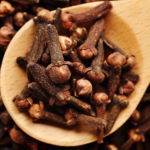


Masala Chai with Whole Spices is not just a recipe. In many Indian homes, chai is a rhythm. Someone knows when to lower the flame, someone remembers how much milk the family likes, and someone always has a preferred way of crushing cardamom.
That is why chai is one of the most natural ways to bring whole spices into everyday cooking. A customer may not make biryani every week or prepare festive sweets often, but chai happens again and again. When cardamom, black pepper, clove, and cinnamon become part of that daily cup, they stop feeling like occasional pantry items.
For Idukki Spices & Herbs, this subject is close to the brand. Chai connects origin, aroma, habit, and repeat use. It lets a home understand whole spices through something familiar, warm, and deeply personal.
Why Masala Chai with Whole Spices is the right place to start
India’s relationship with tea is massive, but it is also deeply personal. A Tea Board India domestic consumption study estimated tea consumption in India at around 1,197 million kg in 2023, with more than 80% of respondents preferring tea with milk and sugar.
This matters because masala chai does not ask people to create a new habit. It improves a habit that already exists in millions of homes. A small change in spice quality can be felt immediately in aroma, warmth, and aftertaste.
From a product point of view, one cup of chai can naturally introduce four important whole spices: green cardamom, black pepper, clove, and cinnamon. Add fennel as a softer variation, and the idea of a whole spice chai kit starts feeling useful rather than forced.
Why whole spices make better masala chai
Powdered chai masala is convenient, but it gives one fixed taste. Whole spices give the person making chai more control. Cardamom can be crushed fresh, pepper can be kept mild or made stronger, clove can be used carefully, and cinnamon can be added just enough to bring warmth.
This matters because chai preferences are emotional. Some people want a strong, peppery cup on rainy evenings. Some want soft cardamom chai in the morning. Some families avoid too much clove because it can overpower the cup. Whole spices respect these differences.
Masala chai also carries a strong cultural memory across South Asian homes, where families often adjust the spices, sweetness, milk, and brewing style to their own taste. That is why a useful masala chai guide should leave room for personal preference instead of forcing one fixed formula.
Kitchen truth: Better chai does not come from adding more spice. It comes from using the right whole spices in the right balance.
What each whole spice does in masala chai
A good cup of masala chai should still taste like tea first. The spices should support it, not take over. This is where whole spices give the home cook a clear advantage over generic powder.
Fresh aroma
Green cardamom gives chai its sweet, floral, warm lift. Crush the pod just before boiling so the seeds open fresh.
Slow warmth
Pepper adds a gentle back-note of heat. It should warm the sip, not make the tea harsh.
Deep strength
One clove can bring depth and sharp sweetness. Too much can make chai bitter or medicinal.
Soft sweetness
Cinnamon rounds the cup and softens pepper and clove, especially when used in a small piece.
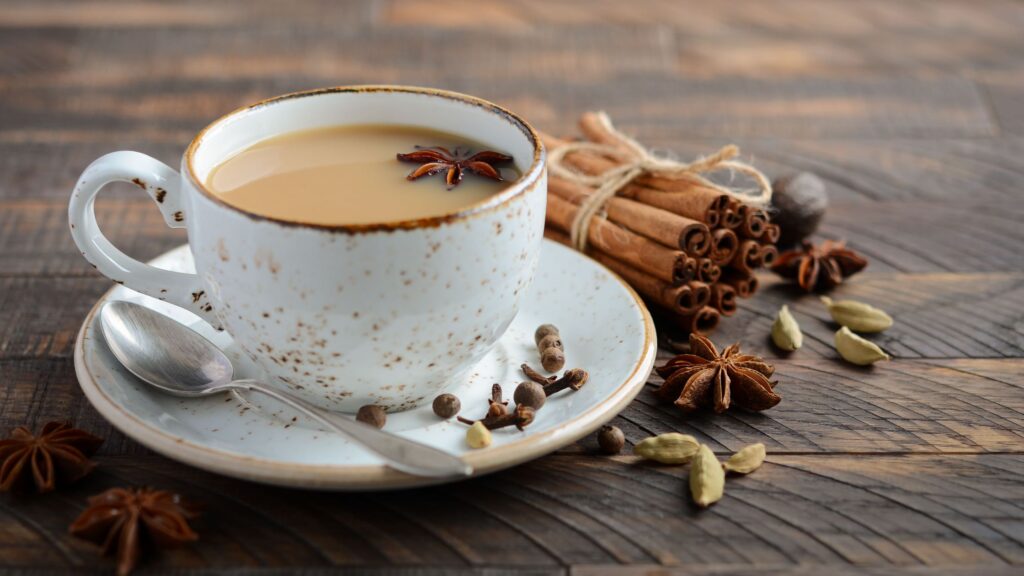
The real way Masala Chai with Whole Spices comes together
A good cup of masala chai is not made by throwing everything into the saucepan at once. Anyone who makes chai often knows this. There is a small pause between each step. The spices need a little time, the tea needs colour, the milk needs to settle into the flavour, and the final boil needs attention.
When whole spices are rushed, the chai can taste like regular milk tea with a little spice sitting on top. But when cardamom, black pepper, clove, and cinnamon are given time to open in water first, the cup feels warmer and more complete. The aroma reaches the kitchen before the chai reaches the glass.
Crush gently
Crack the cardamom and black pepper lightly. Do not grind them into dust. Just open them enough for the seeds and peppercorns to release their aroma.
Start with water
Add the crushed cardamom, pepper, one clove, and a small cinnamon piece to boiling water. Let the spices speak before milk enters.
Add tea leaves
Once the spice aroma opens, add tea leaves and let the colour build. The tea should remain the base of the cup, not disappear under the spices.
Bring in milk
Add milk only after the tea and spice base has started developing. Let everything simmer together so the cup feels complete.
Balance sweetness
Add sugar or jaggery as your home prefers. Cinnamon and fennel can make the cup feel softer without simply adding more sweetness.
Strain hot
Strain and serve while the chai is still fresh. Whole spices give their best aroma when the cup is hot and newly brewed.
Brewing truth: Water opens whole spices better than milk alone. Give the spices a short simmer first, then let tea and milk carry that warmth into the final cup.
The everyday whole spice chai ratio
For two cups of balanced masala chai, start gently. Chai should still taste like chai, not like a mouthful of spice. Too much clove can make the cup sharp, too much pepper can make it aggressive, and too much cinnamon can make it woody. Cardamom is beautiful, but even cardamom can feel too perfumed if the balance is lost.
A good starting point is simple: 2 green cardamom pods, 2 black peppercorns, 1 clove, and a small 1–1.5 cm piece of cinnamon for 2 cups. Add fennel only when you want a softer, slightly sweeter family-style chai. Once the home gets used to this base, everyone can adjust it by mood.
| Whole Spice | Starting Quantity | What It Does in Chai |
|---|---|---|
| Green cardamom | 2 pods, lightly crushed | Adds the fresh, sweet, floral aroma most people first notice in good chai |
| Black pepper | 2 peppercorns, lightly crushed | Brings slow warmth and body without turning the cup harsh |
| Clove | 1 whole clove | Gives depth and sharp sweetness, but only when used carefully |
| Cinnamon | 1–1.5 cm small piece | Softens the cup and makes pepper and clove feel more rounded |
| Fennel seed | Optional 1/4 teaspoon | Makes the cup gentler, slightly sweeter, and easier for family chai |
Ratio note: If you are making chai for guests, start mild. You can always make the next cup stronger, but you cannot easily fix a cup that has too much clove or pepper.
How to make masala chai with whole spices
Start with water in a saucepan and bring it to a gentle boil. Add the lightly crushed cardamom and pepper, one clove, and a small cinnamon piece. Let this simmer for two to three minutes. You will know it is ready when the kitchen begins to smell warmer before the tea leaves go in.
Add tea leaves after the spice base has opened. Let the tea take colour and strength. Then add milk and allow everything to simmer together. Do not rush this part. Masala chai tastes better when tea, milk, and spice have time to become one cup.
Sweeten with sugar or jaggery as your home prefers. Some families like a dark, strong chai. Some prefer a softer, milkier cup. The point of whole spices is that you can adjust the cup without changing the entire recipe.
- For morning chai: keep cardamom slightly ahead and pepper gentle.
- For rainy evenings: increase pepper by one corn for a warmer finish.
- For family chai: add fennel when you want a softer, sweeter note.
- For strong chai: simmer the spices longer before adding milk.
- For lighter chai: reduce clove and keep cinnamon very small.
Brewing note: The best chai is not always the strongest chai. It is the cup that smells fresh, feels balanced, and tastes like the home it belongs to.
How each spice changes the mood of the cup
Masala chai changes with mood. The same tea can feel soft in the morning, stronger during rain, festive on a weekend, or comforting after a long day. Whole spices make that possible because they let you change the balance one cup at a time.
This is where ready-made powder feels limited. It gives one flavour again and again. Whole spices give choice. A little more cardamom makes the cup aromatic. A little more pepper makes it warmer. Fennel softens it. Clove deepens it. Cinnamon rounds everything quietly.
| Chai Style | Spice Balance | Best For |
|---|---|---|
| Cardamom-led chai | More cardamom, very light pepper, no extra clove | Morning chai, guests, and people who prefer aroma over heat |
| Pepper-warm chai | Cardamom with 2–3 peppercorns and one small cinnamon piece | Monsoon evenings, colder mornings, and stronger chai lovers |
| Festive chai | Cardamom, clove, cinnamon, and a touch of fennel | Family gatherings, sweets, and slow weekend chai |
| Soft family chai | Cardamom, cinnamon, fennel, and very little pepper | Afternoon chai and homes that avoid strong spice heat |
| Strong masala chai | Cardamom, pepper, clove, cinnamon simmered slightly longer | People who like full-bodied chai with a deeper spice finish |
Personalisation tip: If the chai feels too sharp, reduce clove first. If it feels too flat, increase cardamom or pepper slightly. If it feels too heavy, reduce cinnamon and shorten the simmer.
Why this blog can convert chai lovers into whole spice buyers
The India tea market was valued at USD 11.86 billion in 2025 and is projected to reach USD 15.44 billion by 2034. Chai is not a rare cooking occasion. It is part of daily life, which makes it one of the easiest places for customers to notice better spices.
If a customer buys cardamom only for sweets, it may sit in the jar for weeks. If the same customer starts using cardamom in chai, the spice becomes part of a daily rhythm. The same is true for black pepper, clove, cinnamon, and fennel. Chai turns whole spices from occasional ingredients into repeat-use products.
The India spices market was valued at INR 221.83 thousand crores in 2025 and is projected to reach INR 528.99 thousand crores by 2034. For a whole spice brand, this growth supports a clear direction: educate customers on aroma, freshness, clean sourcing, and everyday use instead of depending only on discounts.
Chai repeats often
Chai happens daily in many homes, so whole spices can become part of regular household buying.
One cup, many spices
A single cup can naturally introduce cardamom, black pepper, clove, cinnamon, and fennel.
Origin-led education
Idukki Spices & Herbs can teach aroma and freshness through a ritual people already love.
The whole spice chai kit idea
A whole spice chai kit can be one of the easiest entry bundles for Idukki Spices & Herbs. It does not need to feel decorative or complicated. It can simply be a practical kit for people who want fresher masala chai without buying large quantities of every spice separately.
The kit can bring together green cardamom, black pepper, clove, cinnamon, and optional fennel seed. Green cardamom and black pepper are especially strong lead products because they are already familiar in Indian homes and connect naturally with Idukki’s spice identity.
This also makes the kit useful for gifting. Many people do not want gifts that sit unused. A chai kit feels personal, practical, emotional, and easy to explain. It can work for housewarming, festive gifting, NRI family boxes, monsoon campaigns, office hampers, and first-time customer trial packs.
- Daily-use angle: enough whole spices for repeated chai experiments over several weeks.
- Gifting angle: useful for housewarming, festive gifting, NRI family boxes, and monsoon campaigns.
- Trial angle: helps first-time customers experience multiple spices in one familiar ritual.
- Education angle: teaches customers how each spice changes the cup.
- Repeat angle: chai is frequent, so good spices become easier to repurchase.
Brand note: Do not sell the chai kit as a discount combo. Sell it as a fresher, more controlled way to make daily masala chai with whole spices.
How to position Masala Chai with Whole Spices for search intent
This blog is not only for people searching for a basic masala chai recipe. It also helps people who are looking for better homemade chai, chai spice ratios, cardamom chai, black pepper chai, whole spice chai masala, and simple ways to make daily tea more aromatic.
These readers already have intent. They are not cold audiences. They are trying to improve a daily habit they already care about. That makes Masala Chai with Whole Spices a strong education-led topic for Idukki Spices & Herbs because the blog can teach usage while naturally leading the reader toward whole spices.
The content should avoid loud claims and focus on sensory proof: crushing cardamom, opening black pepper, using clove carefully, letting cinnamon soften the cup, and adjusting fennel for a gentler family chai. These details build trust better than simply saying “best quality spices.”
Content note: The commercial intent should stay helpful. Instead of pushing products after every section, the blog should naturally lead toward building a whole spice chai kit because the recipe already uses multiple whole spices.
Final brewing note
Masala chai is personal. No two homes make it exactly the same way. Some boil it longer. Some keep it light. Some add ginger. Some prefer more milk. Some want only cardamom, while others enjoy the full warmth of pepper, clove, and cinnamon.
That is exactly why whole spices belong in chai. They allow every home to adjust the cup without losing freshness. A powder gives one fixed taste, but whole spices give choice, aroma, and control.
The next time you make chai, start with the spices. Crack the cardamom. Lightly crush the pepper. Add one clove, not two. Drop in a small piece of cinnamon. Let the water carry the aroma before the milk goes in. That small pause is where ordinary tea starts becoming masala chai.
FAQs
What is the best ratio for Masala Chai with Whole Spices?
For 2 cups, start with 2 green cardamom pods, 2 black peppercorns, 1 clove, and a small 1–1.5 cm piece of cinnamon. Add 1/4 teaspoon fennel seeds if you want a softer, slightly sweeter cup.
Is whole spice chai better than chai masala powder?
Whole spice chai gives more control and fresher aroma. Chai masala powder is convenient, but the aroma can fade faster after grinding. Whole spices let you crush and brew only what you need.
Which whole spices are used in masala chai?
The most common whole spices for masala chai are green cardamom, black pepper, clove, and cinnamon. Fennel seed can be added for a softer and slightly sweeter family-style variation.
Why should clove be used carefully in chai?
Clove is powerful. One clove can add warmth and depth to 2 cups of chai, but too much can make the cup taste bitter, sharp, or medicinal.
Can I use black pepper in chai every day?
Yes, black pepper can be used in daily chai in small quantities. For everyday chai, 1–2 peppercorns for 2 cups is usually enough. Increase slightly only if you prefer a stronger, warmer cup.
Can I add fennel seeds to masala chai?
Yes. Fennel seed works well when you want a softer, slightly sweeter chai. It is especially useful for afternoon chai or for homes that find pepper and clove too strong.
Should I crush whole spices before adding them to chai?
Yes, but only lightly. Crush cardamom and black pepper enough to open them. Do not turn them into a fine powder. Keep clove whole and use only a small piece of cinnamon.
When should I add milk while making masala chai?
Add milk after the whole spices and tea leaves have opened in water. This helps the spice aroma spread into the base before milk thickens the cup.
Where can I buy whole spices for masala chai?
You can explore green cardamom, black pepper, cloves, cinnamon, fennel seed, and other whole spices from Idukki Spices & Herbs. View Whole Spices.
Build your whole spice chai kit before the aroma goes flat.
Cardamom, black pepper, clove, cinnamon, and fennel for fresher daily chai with better aroma, warmth, and control.