
Whole spices vs ground spices is more than a question of convenience. Walk into a Kerala kitchen when cardamom is crushed for payasam, black pepper is cracked for rasam, or cloves meet warm ghee for biryani, and the difference becomes easy to understand. Aroma does not come from a label. It comes from the natural oils and flavour still held inside the spice.
Whole spices protect those aromatic oils in their natural structure. A cardamom pod protects its seeds, a black peppercorn holds sharp oils inside its berry, and a clove keeps its warm aroma inside a dried flower bud. Once these spices are crushed or ground, more of their surface is exposed to air.
Ground spices, on the other hand, are faster and easier to use. They blend quickly into curries, marinades and masalas, making them useful for busy households, cafés and restaurant kitchens. The real question is not whether one form is always better, but when whole spices, powdered spices or freshly ground spices make the most sense.
Whole Spices vs Ground Spices: Which Keeps Aroma Better?
Whole spices usually retain aroma longer than ground spices because their natural structure protects volatile oils from exposure to air, light, heat and moisture. Grinding breaks that structure and increases the surface area exposed to oxygen.
Ground spices release flavour more quickly during cooking, which is why they are convenient and easy to blend. However, their aroma can fade faster after grinding, particularly when the powder is exposed to air, heat, moisture or long storage.
For maximum aroma, keep spices whole and grind or crush them close to cooking. For convenience, use good-quality powdered spices that have been processed, packed and stored carefully.
Idukki Kitchen Takeaway: In the whole spices vs ground spices comparison, whole spices usually win on aroma retention, while ground spices win on convenience. Freshly ground spices give you a practical middle ground.
Whole Spices vs Ground Spices at a Glance
Both forms have a place in the kitchen. The right choice depends on freshness, preparation time, the dish and how much control you want over flavour.
| Factor | Whole Spices | Ground Spices |
|---|---|---|
| Aroma retention | Usually retain aroma longer while intact. | Aroma can fade faster after grinding. |
| Convenience | May require roasting, crushing or grinding. | Ready to measure and add directly to cooking. |
| Flavour control | Gives greater control over roasting, crushing and grinding. | Blends quickly and spreads flavour evenly. |
| Quality visibility | Shape, colour, size and cleanliness are easier to inspect. | Physical quality of the original spice is harder to judge. |
| Best use | Fresh grinding, tempering, slow cooking and aroma-led dishes. | Fast everyday cooking, blends, marinades and convenience. |
How to Choose Between Whole and Ground Spices
Instead of asking which form is always better, ask what the dish needs today. Some recipes need slow fragrance, some need quick blending, and others benefit from freshly ground spices.
Use this simple decision flow when choosing between whole spices, ground spices and ready-to-use powdered spices.
Ask About Aroma
If fragrance is one of the main parts of the dish, choose whole spices and crush or grind them close to cooking.
Ask About Speed
If the meal needs to come together quickly, ground spices can save preparation time and blend rapidly into the dish.
Ask About Freshness
When aroma matters most, grind only the quantity you need rather than relying on powder that has remained open for a long time.
Ask About Trust
When buying powdered spices, choose products with clear information about sourcing, processing, packing and storage.
Kitchen rule: Whole spices protect aroma longer. Ground spices offer speed. Freshly ground spices combine much of the freshness of whole spices with the convenience of powder.
Why Whole Spices Usually Stay Aromatic Longer
Much of a spice's characteristic aroma comes from volatile compounds and essential oils. These compounds help create the sweet fragrance of cardamom, sharpness of black pepper, warmth of cloves and depth of cinnamon.
Whole spices naturally protect these compounds. The pod, seed coat, bark or dried flower bud acts like a form of natural packaging. Once the spice is crushed or ground, that protection is reduced and a much larger surface area comes into contact with oxygen.
This is one reason freshly ground spices can smell noticeably stronger immediately after grinding. The aromatic compounds are released as the physical structure of the spice is broken.
Research on spice grinding also shows why processing temperature matters. A study on cryogenic grinding systems for spices discusses volatile oil loss during conventional grinding, while research on pepper pulverizing methods examines how grinding method and storage influence pepper quality.
Benefits of Using Whole Spices
Whole spices remain closer to their natural form, which helps protect their aromatic compounds until they are crushed, cracked or ground. This is why whole cardamom can remain fragrant for longer than exposed cardamom powder and why peppercorns are often best cracked close to use.
Whole spices also give the cook more control. You can roast them, temper them in oil, crack them roughly, grind them finely or use them whole depending on the recipe.
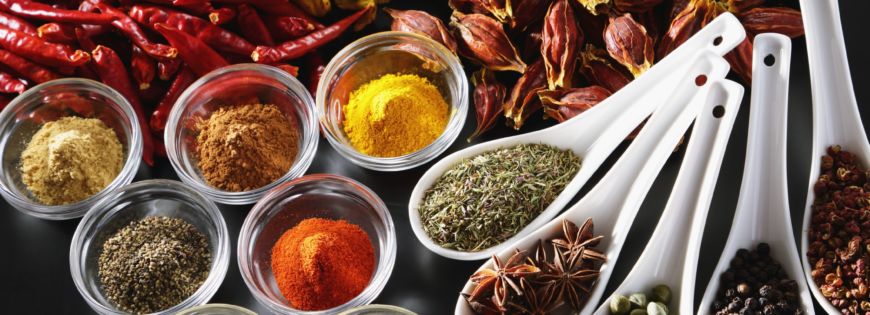
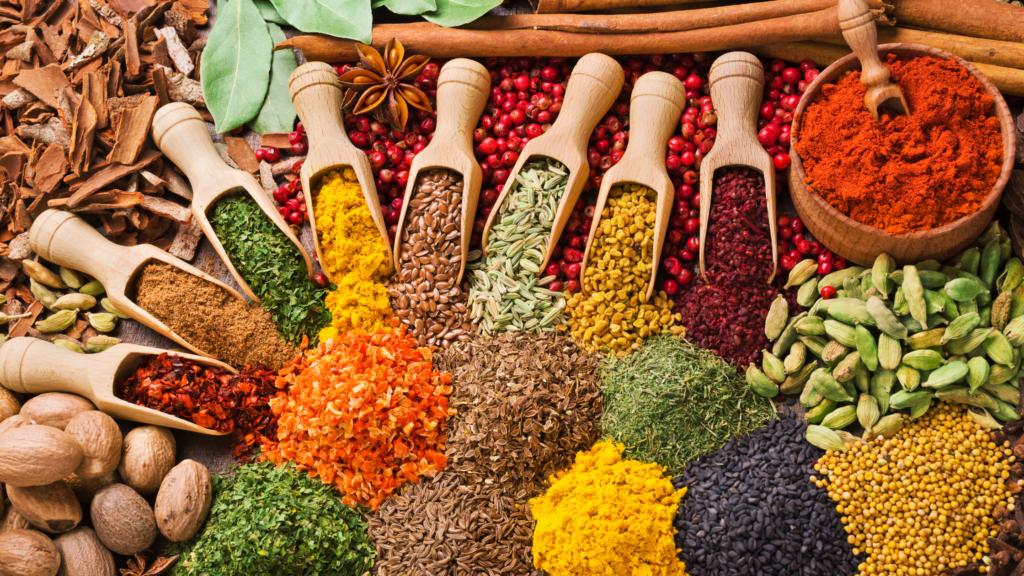
Another advantage is visibility. With whole cardamom, black pepper, cloves, nutmeg, mace, cinnamon, star anise, bay leaf and fennel seed, buyers can inspect characteristics such as shape, colour, size, fullness and cleanliness more easily.
Natural Aroma Protection
Pods, seeds, bark and buds help protect aromatic oils until the spice is opened or ground.
Grind When Needed
You decide whether the spice should be whole, cracked, coarse, freshly roasted or finely ground.
See the Spice
Whole spices allow buyers to examine size, colour, shape, cleanliness and overall physical condition.
Benefits of Using Ground Spices
Ground spices are useful because they remove preparation steps. There is no need to roast, cool and grind every spice before cooking, making them convenient for busy households and commercial kitchens.
Because the particles are already broken down, powdered spices also distribute quickly through curries, marinades, soups, gravies and spice blends. This makes it easier to achieve consistent seasoning from one batch to another.
The trade-off is that ground spices have more exposed surface area. Proper packaging and storage therefore become particularly important for protecting aroma and freshness after grinding.
Ready to Use
Ground spices can be measured and added directly without extra preparation.
Fast Distribution
Fine spice particles spread quickly throughout curries, sauces, marinades and masalas.
Repeatable Cooking
Standardised powders and blends can make repeated recipes easier to reproduce.
Why Freshly Ground Spices Offer the Best of Both Worlds
Freshly ground spices sit between whole spices and ready-made powders. You store the spice in its whole form, then crush or grind only the quantity required for the dish.
This approach allows the natural structure to protect aroma during storage while still giving you the fast flavour release of ground spices during cooking.
Cardamom, black pepper, cloves, cumin, coriander and several other spices can benefit from this approach when aroma is important.
Practical approach: Keep frequently used aromatic spices whole and grind small amounts as needed. Use trusted powdered spices when convenience matters more.
When Should You Use Whole Spices or Ground Spices?
Use Whole Spices
Whole cloves, cinnamon, peppercorns, bay leaf and cardamom can release aroma gradually when heated in oil or ghee.
Use Ground Spices
Powdered spices work well when you need flavour to blend quickly through a curry, sauce or marinade.
Grind Fresh
When fragrance is a major part of the dish, crush or grind whole spices shortly before cooking.
How to Store Whole and Ground Spices for Better Freshness
Both whole and ground spices benefit from protection against air, moisture, excess heat and direct light. Keep spices in properly sealed containers and avoid leaving packets open for long periods.
Ground spices deserve particular attention because more of the spice is exposed after grinding. Buy quantities that match your cooking habits rather than keeping large opened packs for unnecessary periods.
Whole spices give you greater flexibility because you can keep them intact and grind smaller quantities whenever you need fresh aroma.
Whole Spices vs Ground Spices: Which Should You Choose?
There is no need to choose only one. Whole spices are generally better when aroma retention, visible quality and control over grinding matter most. Ground spices are better when speed, convenience and quick blending are the priority.
For an aroma-focused kitchen, keep key spices such as cardamom, black pepper and cloves whole and crush or grind them shortly before use. Keep reliable powdered spices for days when convenience matters more.
Final takeaway: In the whole spices vs ground spices debate, freshness matters more than choosing one form exclusively. Whole spices protect aroma longer, ground spices save time, and freshly ground spices offer a useful balance between the two.
Explore Whole Spices from Idukki
Discover cardamom, black pepper, cloves, cinnamon, nutmeg, mace, star anise, bay leaf and other whole spices selected for everyday kitchens that value aroma, freshness and origin.
Frequently Asked Questions About Whole Spices vs Ground Spices
Are whole spices better than ground spices?
Whole spices generally retain their aroma for longer because their natural structure protects aromatic oils. Ground spices are more convenient and release flavour quickly during cooking.
Do whole spices stay fresh longer than ground spices?
Whole spices generally retain aroma and flavour characteristics for longer because less surface area is exposed to air. Storage conditions still play an important role.
Why do ground spices lose aroma faster?
Grinding increases the surface area exposed to air. This can allow volatile aromatic compounds to dissipate more quickly, particularly if the spice is stored poorly.
Are powdered spices the same as ground spices?
The terms are often used similarly. Ground spices may range from coarse to fine, while powdered spices usually describe spices ground into a finer texture.
Are freshly ground spices better?
Freshly ground spices can provide strong aroma because the spice remains whole until shortly before use. Grinding releases its aromatic compounds close to the cooking time.
Which spices are best kept whole?
Aromatic spices such as cardamom, black pepper, cloves, cinnamon and nutmeg are commonly kept whole and crushed or ground when needed.
When should I use ground spices?
Ground spices are useful for quick cooking, marinades, sauces, curries and recipes where the spice needs to distribute evenly and quickly.
How should I store whole and ground spices?
Keep spices well sealed and protected from moisture, direct light and excess heat. Ground spices should be especially well protected after opening because their larger exposed surface area can accelerate aroma loss.
Why this matters now in the Indian spice market
India’s spice market is moving in two directions at the same time. One side values origin, purity, whole spices, and visible quality. The other side is growing through processed, packed, and convenient formats like curry powders, blends, spice oils, oleoresins, and retail packs.
Spices Board India reports that in 2025–26, India exported 17.34 lakh tonnes of spices and spice products worth ₹39,140.11 crore, compared with 17.99 lakh tonnes worth ₹39,994.48 crore in 2024–25. The same review says small cardamom contributed 9%, spice oils and oleoresins 12%, and curry powder or paste 6% of export earnings in 2025–26.
This matters for Idukki Spices & Herbs because the future customer is not choosing only tradition or only convenience. The future customer wants both: the visible honesty of whole spices and the weekday usefulness of clean, reliable powders.
Where whole spices, powders, and fresh kits fit
Different kitchens buy spices for different reasons. A home cook wants aroma and confidence. A busy family wants speed. A restaurant wants consistency. A gifting customer wants visible quality. A premium buyer wants origin and freshness.
This is why Idukki’s future should not be one line only. Whole spices, ready-to-use powders, and grind-at-home kits can serve different demand zones without weakening the brand’s origin story.
Kitchen demand zones
Idukki whole spices
Best for customers who want visible quality, aroma, freshness, and a stronger connection to Kerala’s spice highlands.
Ready powders
Best for weekday curries, beginners, cafés, restaurants, and kitchens that need fast and repeatable flavour.
Grind-at-home kits
Best for customers who want maximum aroma without sourcing every whole spice separately.
Whole spice packs
Best for hampers, NRI boxes, festive gifting, and buyers who value visible premium spice character.
Demand fit by cooking moment
Strategy note: The brand should not force one format. It should teach customers when to choose each form.
Where powdered spices earn their place
Powdered spices should not be dismissed. A good powder exists for a reason: it saves time, blends quickly, spreads evenly, and helps everyday cooking move with less friction.
A busy kitchen often needs that. A parent cooking before work, a student away from home, a restaurant team handling repeated orders, or a beginner learning Indian cooking may not want to roast and grind spices every day.
For them, a clean masala powder is not a weakness. It is a practical tool. The quality question is not whether powder is acceptable. The quality question is whether the powder was made from clean raw spices, ground carefully, packed quickly, and protected from moisture and air.
Powder truth: A good powder should save time without asking the kitchen to give up trust.
The Kerala cooking test: which form fits the dish?
The right choice depends on the dish. Kerala and Indian cooking already understand this intuitively. We use whole spices when we want depth, tempering, infusion, and visible character. We use powders when we want speed, body, colour, and even spread.
Whole cardamom works beautifully in payasam because it releases aroma gently into milk. Fresh cracked pepper works better in rasam because its sharpness feels alive. Whole cloves and cinnamon can hold their place in biryani because they perfume the rice slowly.
But chilli powder, turmeric powder, coriander powder, and a balanced curry masala work better when a gravy needs body and even flavour. This is not a competition. It is a cooking decision.
| Kitchen Moment | Better Choice | Why It Works |
|---|---|---|
| Maximum aroma | Whole spices, freshly crushed or ground | Protects volatile oils until the cooking moment |
| Quick weekday curry | Ready-to-use spice powder | Saves time and blends evenly into the base |
| Biryani or ghee rice | Whole spices or fresh ground kit | Gives slow aroma release and better depth |
| Fish, chicken, paneer, or veg marinade | Powdered spices | Coats evenly and absorbs quickly |
| Masala chai or payasam | Whole cardamom, crushed fresh | Releases a clean, sweet aroma close to serving |
| Homemade garam masala | Grind-at-home whole spice kit | Gives freshness with control |
| Beginner cooking | Ready masala powder | Gives consistency and confidence |
| Premium gifting | Whole spice packs and grind-at-home kits | Looks honest, aromatic, and special |
The trust gap after grinding
Whole spices give the buyer visual proof. You can see whether cardamom pods are full, whether black pepper is bold, whether cloves are intact, whether cinnamon looks clean, and whether fennel seeds are uniform.
Powder removes much of that visual evidence. That is why powdered spices carry a higher trust responsibility. The customer cannot easily see whether the raw material was fresh, whether low-grade spice was mixed in, whether fillers were added, or whether the powder was stored too long before packing.
This is where Idukki Spices & Herbs must be strict when building future powders. A ready-to-use masala powder should not be treated as a dumping ground for weak raw material. It should begin with the same respect as whole spices.
Clean raw selection
Powders should begin with good spices, not leftover weak material.
Batch discipline
Grinding should be controlled, documented, and handled with aroma in mind.
Fast protection
Powders need quick packing and moisture-safe storage to protect freshness.
Fresh grinding: the middle path Idukki can own
Fresh grinding is the bridge between whole spices and powders. It gives the customer the convenience of a curated blend without taking away the freshness of whole spices.
This is why grind-at-home kits are powerful. Instead of asking a customer to buy many spices separately, a kit can bring together the right whole spices in the right proportion. The customer can roast, cool, grind, and use the blend when the aroma is at its peak.
Scientific processing research supports the value of temperature control during grinding. Research on cryogenic grinding of black pepper explains how low-temperature grinding can reduce aroma loss compared with ambient grinding. At home, the lesson is simple: grind small quantities close to cooking.
The Idukki dual-line growth loop
A strong spice brand does not need to choose between heritage and convenience. It can build a loop where whole spices create trust, powders create daily usage, and grind-at-home kits create deeper aroma-led loyalty.
This loop is powerful because each product line supports the other. Whole spices prove origin. Powders earn weekday shelf space. Fresh kits make the customer feel the difference of grinding close to cooking.
Whole spices build trust
Customers see pod, seed, bark, bud, colour, shape, and freshness cues before cooking.
Powders build habit
Ready masalas support weekday meals, faster cooking, and repeat usage in busy kitchens.
Kits build aroma memory
Grind-at-home kits help customers experience fresher fragrance without sourcing every spice.
Better meals build recall
When tea, biryani, rasam, curry, or payasam tastes better, the brand becomes easier to remember.
Recall builds repeat
A trusted spice moves from trial purchase to monthly pantry behaviour.
Repeat builds range growth
Customers who trust cardamom or pepper become more open to powders, kits, and future blends.
Growth note: The compounding advantage is not discounting. It is repeated kitchen proof.
Idukki’s dual line: speed for weekdays, freshness for aroma-led cooking
Idukki Spices & Herbs begins with whole spices because whole spices are the clearest way to introduce origin. A whole pod, seed, bark, or bud carries visual honesty. It allows the customer to judge quality before the spice enters the pot.
But the modern kitchen also deserves convenience. That is why the dual-line model matters. One line can serve weekday speed through ready-to-use masala powders. The other can serve aroma-focused cooking through grind-at-home whole spice kits.
This gives customers a better choice instead of forcing one habit. A customer can use a ready powder on a busy Tuesday and grind a fresh biryani masala on Sunday. A family can use whole cardamom for payasam and a ready Kerala curry powder for a quick dinner.
The Idukki promise: Whole spices for origin and control, powders for speed and consistency, and grind-at-home kits for freshness in the customer’s own hands.
Storage habits that protect what farmers worked for
Even a good spice can lose its character in a careless kitchen. Heat, air, light, and moisture are the quiet enemies of aroma. A spice rack near the stove may look convenient, but steam and heat can weaken the fragrance inside the jar.
Whole spices are more forgiving, but they still need care. Powders need even more protection because their surface area is already exposed. Every time the lid opens, air enters. Every wet spoon adds risk. Every month near heat makes the powder flatter.
| Spice Form | Storage Habit | Why It Matters |
|---|---|---|
| Whole spices | Keep in airtight containers away from sunlight | Protects the natural structure and slows aroma loss |
| Whole spices | Crush or grind only the quantity needed | Keeps volatile oils protected until cooking |
| Powdered spices | Close the pack immediately after use | Reduces exposure to air and moisture |
| Powdered spices | Use only a dry spoon | Prevents moisture from weakening aroma and quality |
| Both forms | Avoid storage near stove heat and steam | Heat and steam can make spices fade faster |
The Idukki answer: keep convenience, protect aroma
Whole spices protect aroma longer because nature has already packed them carefully. Powdered spices bring speed because the preparation work has already been done. Both are useful. Both can be premium. Both can disappoint if sourcing, processing, and storage are careless.
For the deepest aroma, choose whole spices and grind them close to cooking. For everyday speed, choose well-made powders from a brand that is transparent about raw material, batch quality, and packing discipline.
That is the direction Idukki Spices & Herbs should stand for: origin-led whole spices, honest ready-to-use masala powders, and grind-at-home kits for customers who want freshness in their own hands.
Final kitchen truth: A good kitchen deserves convenience. It should never have to give up aroma.
FAQs
Do whole spices keep aroma better than powdered spices?
Yes, whole spices usually keep aroma better because their natural structure protects volatile oils from air, light, heat, and moisture. Powdered spices release flavour faster but can lose aroma faster after grinding.
Are powdered spices bad for cooking?
No. Good powdered spices are useful for fast cooking, marinades, gravies, dry rubs, and consistent daily recipes. The quality depends on clean raw spices, careful grinding, quick packing, and proper storage.
When should I use whole spices?
Use whole spices when aroma needs to release slowly or freshly, such as in biryani, pulao, payasam, masala chai, rasam, slow curries, and homemade spice blends.
When should I use powdered spices?
Use powdered spices when you need speed, even coating, and smooth blending, such as in weekday curries, marinades, dry rubs, gravies, and restaurant-style repeated recipes.
What are grind-at-home spice kits?
Grind-at-home spice kits are curated sets of whole spices measured for a specific blend. The customer can roast, cool, grind, and use the blend fresh, which helps protect aroma and gives more control.
How should I store whole spices and powders?
Store both away from heat, sunlight, air, and moisture. Keep whole spices in airtight containers and crush only what you need. Close powdered spices immediately after use and always use a dry spoon.
Choose aroma first. Use convenience with intention.
Start with whole spices from Idukki’s highland tradition. Keep powders for speed. Grind fresh when the dish deserves its fullest aroma.