

How to Tell If Your Spices Are Fresh: 7 Signs to Check Before Cooking
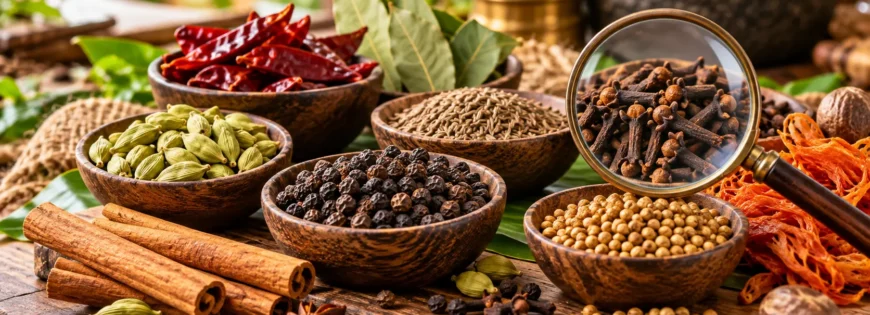
Fresh spices should have a clear natural aroma, an appearance that suits the ingredient and a texture that feels appropriate for the spice you are using. Checking these simple characteristics before cooking can help you understand whether cardamom, black pepper, cloves, cinnamon, nutmeg or other whole spices still have enough aromatic strength to contribute properly to curries, chai, biryani and everyday dishes.
Dried spices do not usually lose their quality all at once. Instead, aroma and flavour gradually weaken during storage, especially when the ingredients are repeatedly exposed to heat, light, air or moisture. A quick check before cooking therefore gives you useful information about the condition of the spice and can also help you notice storage problems before they affect the rest of the pack.
How to Check Fresh Spices Before Cooking
Start with aroma because fragrance is one of the easiest characteristics to evaluate at home. Rub, crack or lightly crush a small amount of the spice and smell it immediately. A whole spice that still has good aromatic strength should release a recognisable fragrance soon after its surface is broken, although the intensity naturally differs between mild and strongly scented ingredients.
Next, examine colour, texture and physical condition together instead of judging the product by colour alone. Natural agricultural products can vary in shade, size and shape, so small differences are normal. However, unexpected dampness, unusual softness, severe fading, excessive dust or a change that looks very different from the spice you normally use deserves closer attention.
Finally, inspect the container or pouch as well as the ingredient itself. Condensation, visible moisture, unusual odours, mould or obvious contamination are more important warning signs than age alone. A spice can be older and simply less aromatic, while moisture or contamination may indicate a storage or food-safety concern that should be treated more carefully.
Quick check: Use aroma, appearance, texture and storage condition together rather than depending on one sign. When several characteristics point in the same direction, you get a more useful picture of spice freshness and quality than you would from a single colour check or from the printed date alone.
Fresh Spices: 7 Signs Worth Checking
Strong Natural Aroma
A clear characteristic fragrance is one of the easiest signs to evaluate. Cardamom should smell sweet and floral, black pepper should smell warm and sharp, and cloves should have a strong distinctive aroma when their surface is rubbed, cracked or lightly crushed.
Normal Natural Colour
Colour should look reasonably appropriate for the particular spice, but it should always be considered together with aroma and condition. Natural shades vary between harvests and individual pieces, so mild colour variation alone does not automatically mean that the ingredient is stale or poor in quality.
Suitable Texture
Whole spices should generally feel dry and retain the texture expected for that ingredient. Peppercorns should remain hard, cinnamon should feel dry and woody, and cardamom pods should normally hold their shape instead of feeling unexpectedly soft, damp or unusually fragile.
No Unwanted Moisture
Check the pack and the spice for condensation, unusual softness or clumping that is different from its normal condition. Moisture can weaken quality and create storage problems, so a previously dry ingredient that suddenly feels damp deserves careful inspection before it is used.
Clear Flavour
A spice should still provide the flavour normally associated with it when used in a familiar quantity. If a recipe that usually needs a small amount suddenly requires much more spice to achieve the same result, the ingredient may have lost some of its aromatic and flavour strength.
Clean Physical Condition
Look at whole pods, berries, seeds and bark before cooking or grinding them. Some natural variation and occasional breakage are normal, but excessive dust, unusual debris, visible contamination or a large amount of damaged material are useful reasons to inspect the batch more carefully.
Proper Storage
Spices stored in a cool, dry and shaded place generally have a better chance of retaining their aroma for longer. Packs kept beside a hot stove, exposed to steam or left open repeatedly may lose fragrance faster even when the product was in good condition when purchased.
1. Fresh Spices Should Release a Clear Aroma
Aroma provides one of the quickest clues about the condition of a spice because many of the flavours we associate with spices come from naturally occurring aromatic compounds. Lightly crack or crush a small amount and smell it straight away. Breaking the surface releases more fragrance than simply smelling an unopened whole spice, which makes the comparison easier.
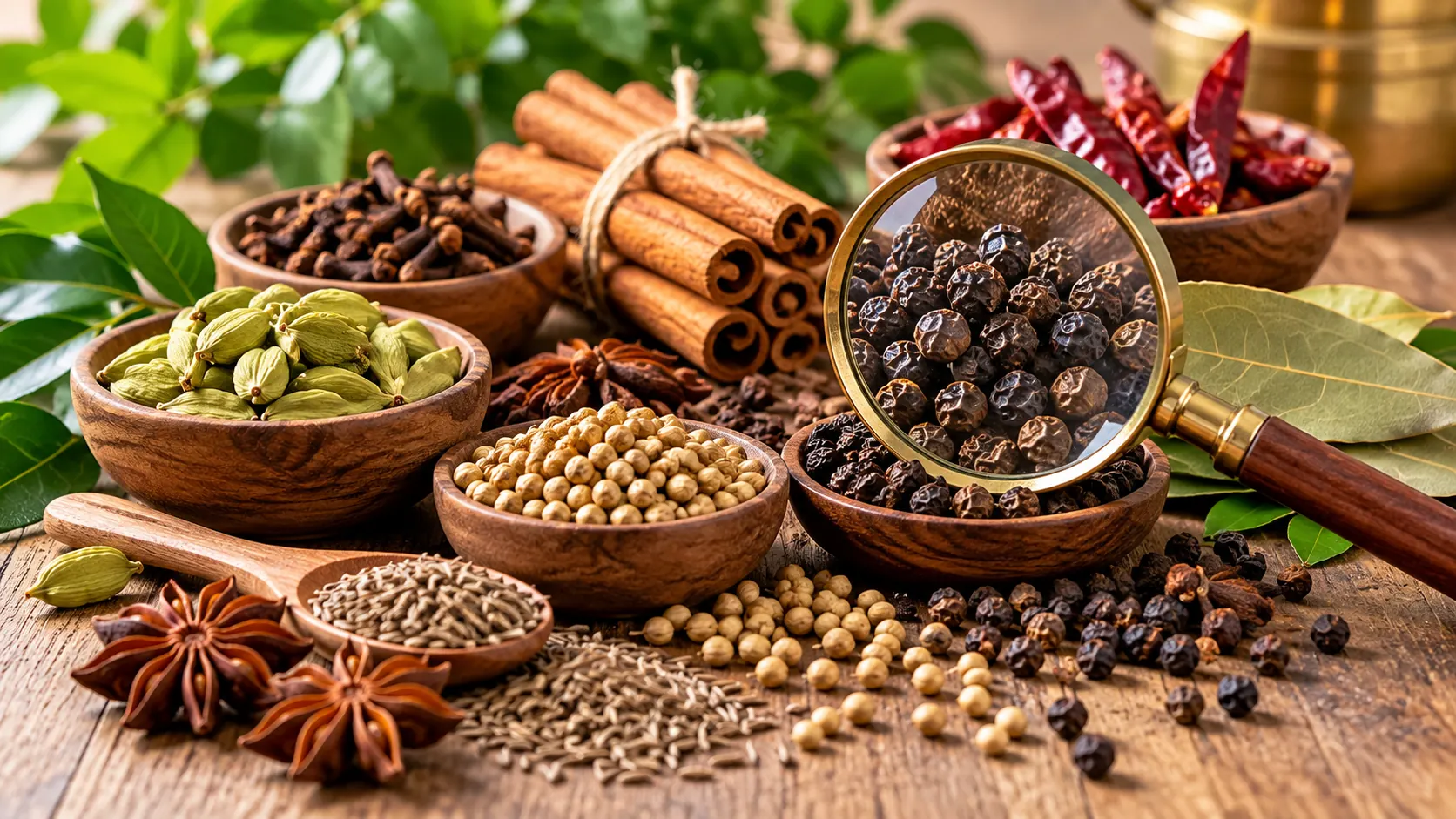
For example, freshly cracked black pepper should release a warm, sharp and recognisable pepper fragrance. Opening a cardamom pod should expose seeds with a sweet and floral smell, while cloves usually produce a strong aromatic scent even in small quantities. The exact intensity varies, but a clearly recognisable aroma is generally more useful than judging by appearance alone.
Try the Crush-and-Smell Test for Fresh Spices
Place one peppercorn, clove or a few cardamom seeds between your fingers, in a mortar or on a clean surface and gently crush the ingredient. Smell it immediately rather than waiting several minutes, because the newly exposed surface gives you the clearest impression of the aroma that remains inside the spice.
What the Aroma Can Tell You
If the characteristic smell appears quickly and is easy to recognise, the ingredient still has noticeable aromatic strength. In contrast, a spice that produces very little fragrance after being crushed may have lost some potency during storage. Compare it with a fresher batch when possible, because familiarity with the normal aroma makes the test more reliable.
2. Look at the Natural Colour of Fresh Spices
Colour can support your freshness check because prolonged exposure to light, air and storage conditions can gradually change the appearance of some spices. However, colour should never be used as the only test. Natural products vary between crops, growing regions and individual pieces, which means an ingredient does not need to look perfectly uniform to be in good condition.
Green cardamom, for example, can naturally vary from brighter to more muted shades, while cinnamon bark and cloves may show differences in brown tones. Mild colour variation is therefore normal. A very faded or unusual appearance becomes more meaningful when it appears together with weak aroma, unexpected texture or poor storage conditions.
Use Colour Together With Aroma and Texture
Why One Colour Check Is Not Enough
When checking fresh spices, compare several characteristics at the same time. A spice that has a normal aroma and suitable dry texture may still be usable even when its colour is slightly different from another batch. On the other hand, severe fading combined with little fragrance and a noticeably changed texture provides stronger evidence that the ingredient has lost quality.
3. Check the Texture of Fresh Spices
Texture varies considerably from one spice to another, so the useful question is whether the ingredient still feels the way that particular spice normally should. Whole spices are generally expected to remain dry. Unexpected softness, dampness or a major change in texture can indicate exposure to humidity or unsuitable storage conditions.
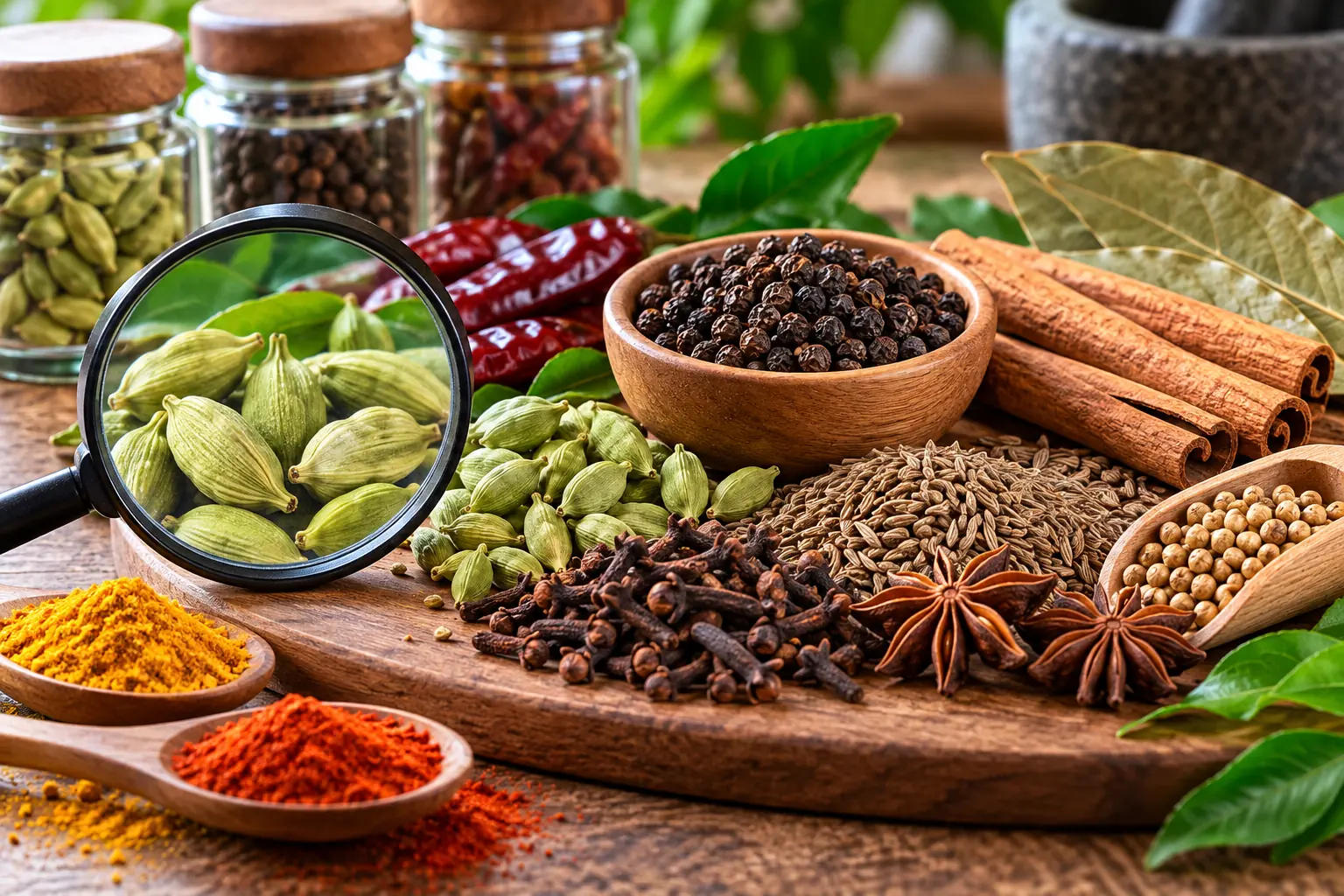
Black pepper should remain firm and hard enough to require crushing or grinding. Cinnamon should normally feel dry and woody, while intact cardamom pods should keep their shape and contain seeds inside. These simple physical checks become especially helpful when combined with aroma because they give you another way to judge whether the spice has been stored well.
Compare Texture With the Spice You Normally Use
If you regularly cook with a particular ingredient, use your previous experience as a practical reference. A sudden difference in softness, brittleness or surface feel can be more informative than expecting every batch to have exactly the same appearance. Natural variation is common, but major changes together with weak aroma or moisture deserve closer attention.
4. Look for Moisture or Unusual Clumping
Moisture can affect both whole and ground spices, particularly after a pack has been opened in a humid kitchen. Powders may develop unusual clumps, while whole ingredients may feel softer or less dry than expected. Condensation inside a container is an especially useful warning sign because dry spices should not normally create visible water droplets during ordinary storage.
Before using the product, look at the inside of the pack, inspect the spice and smell it carefully. A small amount of natural powder or breakage is different from damp clumping. If the ingredient has an abnormal smell, visible mould or obvious contamination as well as moisture, it should not be treated as a simple freshness issue.
When Moisture Becomes a Warning Sign
Minor natural variation is normal, but visible mould, contamination, persistent dampness or an unusual odour should not be ignored. If you are uncertain whether moisture entered a pack during storage, it is safer to avoid testing the ingredient by tasting it. Instead, inspect the product visually and consider replacing it if there are clear signs of spoilage or contamination.
Important: Do not taste a product to test freshness when you can see mould, obvious contamination, unusual moisture or another clear safety problem. Freshness loss usually affects aroma and flavour gradually, whereas visible contamination is a separate issue that requires greater caution.
5. Fresh Spices Should Still Give Clear Flavour
A spice should contribute a recognisable flavour when it is used in the quantity you normally add to a familiar recipe. Black pepper provides warmth and sharpness, cloves create intense aromatic depth, and cinnamon contributes a woody sweetness. If these characteristics have become difficult to notice, the ingredient may have lost some strength during storage.
Nutmeg provides another useful example because grating the whole seed exposes a fresh surface immediately before cooking. A small amount should produce a warm, distinctive aroma. When you repeatedly need much more of a familiar spice than usual to achieve the same flavour, that can indicate that its aromatic compounds have weakened.
Judge Flavour in a Familiar Recipe
Flavour is easiest to compare in a dish you cook regularly because you already know how much spice you normally use and what the result should taste like. Avoid increasing the amount immediately. First check aroma and storage condition, then compare how the ingredient performs in a familiar preparation before deciding whether the spice has simply become weaker.
6. Inspect Whole Pods, Seeds and Bark
Whole ingredients reveal useful physical information that is no longer visible after grinding. Before adding them to a pan or grinder, look at the batch closely and check whether the pods, berries, bark or seeds generally resemble the spice you expect. This can help you notice excessive breakage, unusual foreign material or storage problems.
Some broken pieces, size variation and natural imperfections are normal because spices are agricultural products. However, excessive dust, unusual debris, visible contamination or a large percentage of badly damaged material may indicate poorer handling. Use appearance together with aroma and texture rather than expecting every piece to look identical.
Why Whole Spices Are Easier to Inspect
Whole spices preserve more of their original structure, so you can examine features such as cardamom pods, peppercorn surfaces, clove shapes and cinnamon bark before use. This does not guarantee quality by itself, but the additional visual information can make everyday inspection easier and can help you recognise when a batch looks very different from what you normally purchase.
7. Check How Fresh Spices Were Stored
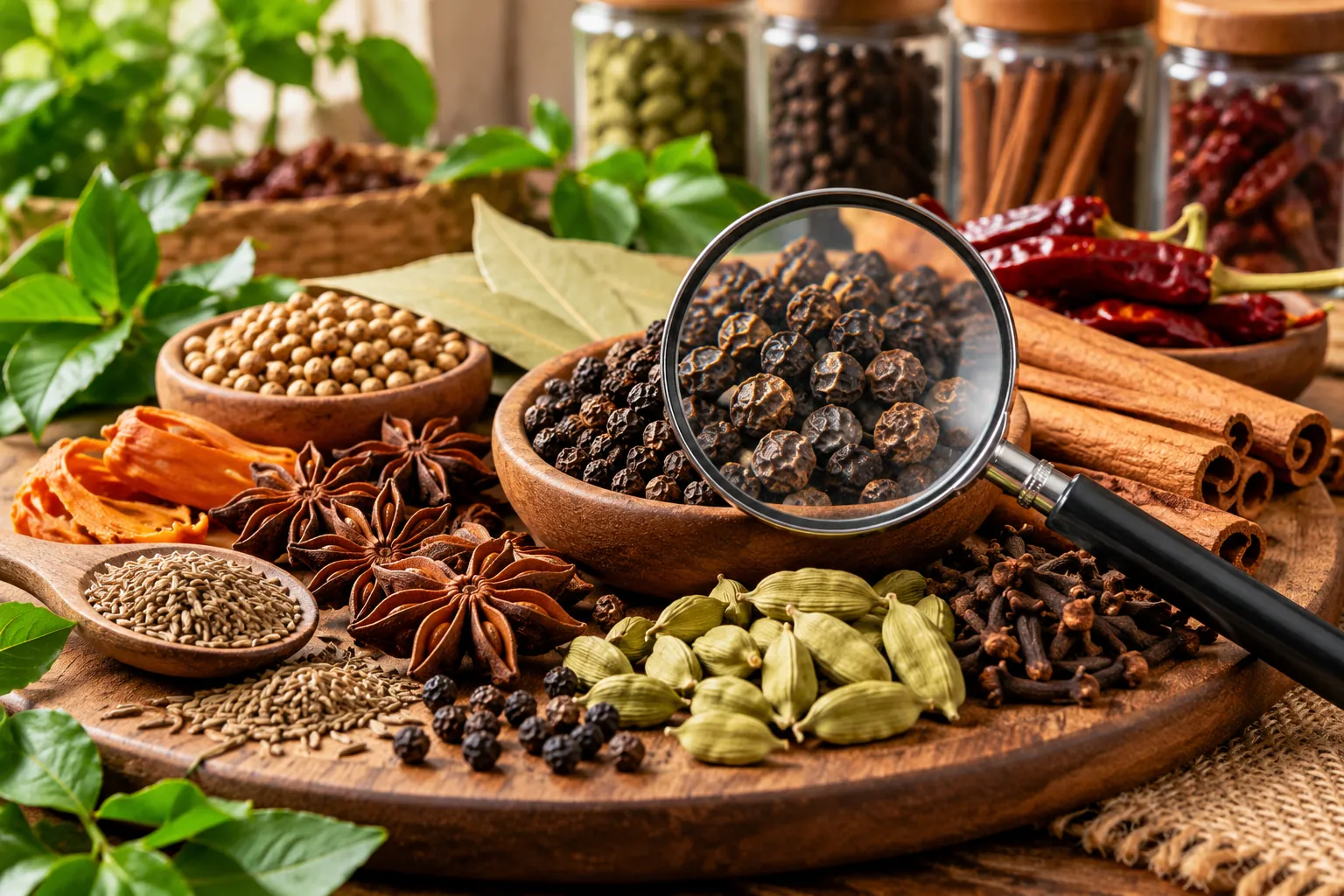
Storage has a direct effect on how quickly spices lose aroma. Heat, strong sunlight, air and moisture can all accelerate quality loss, especially after a pack has been opened. For that reason, store spices in a cool and dry place where they are protected from cooking steam and repeated temperature changes.
A cupboard away from the stove is generally a better location than a shelf directly above a cooking area. Even a well-sealed spice can experience more heat if it is stored beside an oven, hob or sunny window, so choosing the right location helps support the quality of the product after purchase.
Close Spice Packs Properly After Every Use
Protect Open Packs From Air and Moisture
After opening a pouch, close it firmly or transfer the contents to a clean, dry and tightly sealed container. Use dry spoons when handling powders and avoid leaving lids open while cooking. These small habits reduce repeated exposure to steam, humidity and air and can help the spice retain its useful aroma for longer.
Fresh Spices vs Spices Losing Aroma
The following comparison can help you distinguish common signs of good aromatic strength from possible signs of quality loss or poor storage. None of these checks should be used completely alone, so consider aroma, appearance, texture, moisture and flavour together before deciding whether an older spice is still useful for cooking.
| Check | Better Sign | Possible Warning |
|---|---|---|
| Aroma | Clear characteristic smell | Very weak or unusual smell |
| Colour | Normal colour for that spice | Very faded or abnormal appearance |
| Texture | Dry and typical texture | Unexpected dampness or softness |
| Moisture | Dry pack and contents | Condensation or unusual clumping |
| Flavour | Clear flavour at normal quantities | Noticeably weak flavour |
Do Whole Fresh Spices Keep Their Aroma Longer?
Grinding increases the surface area of a spice that is exposed to air. Because more of the ingredient is exposed after grinding, aromatic compounds can dissipate more quickly than they do from an intact whole spice stored under similar conditions. This is one reason many cooks prefer to keep certain ingredients whole until they are needed.
Keeping black pepper, cardamom, cloves and nutmeg whole until shortly before use can therefore help protect fragrance and gives you the option to crack, crush or grind only the amount required for a recipe. Freshly exposing the interior of the spice can also make its aroma easier to notice during cooking.
Whole Spices Still Need Proper Storage
Whole form does not make a spice immune to quality loss. The ingredients still need dry, cool and properly sealed storage away from strong heat and light. A whole spice stored badly can lose aroma, while a ground spice kept carefully may still perform well for a reasonable period, so storage remains an important part of the comparison.
Do Fresh Spices Expire?
Dried spices often lose aroma and flavour gradually rather than becoming weak on one exact day. The printed date on a pack is useful information, but it should be considered together with the ingredient's aroma, physical condition and storage history. An older spice may simply be less aromatic rather than automatically being unusable.
However, ordinary flavour loss should be distinguished from visible mould, contamination, unusual odours or moisture. Those signs are different from a spice simply becoming less potent over time. If you notice a clear safety concern, avoid tasting the product merely to determine whether it still has flavour.
Use the Printed Date With Sensory Checks
When a spice has been stored correctly and shows no obvious safety concern, aroma and flavour can help you judge how useful it still is for cooking. If the smell has become extremely weak and you need significantly more than usual to flavour food, replacing the product may give you a better result even if its physical appearance still seems normal.
Simple Tests for Common Fresh Spices
Different spices have different natural aromas and textures, so a useful freshness check should reflect the ingredient you are testing. The simple examples below focus on familiar characteristics that can be assessed at home without specialised equipment. Use them as practical comparisons rather than expecting every natural batch to look exactly the same.
Fresh Cardamom
Open one pod and smell the seeds immediately. Cardamom should normally release a noticeable sweet, floral and distinctive fragrance, particularly once the pod is opened and the seeds are exposed. Also check that the pod is dry and reasonably intact rather than unusually damp or soft.
Black Pepper
Crush one peppercorn using a mortar, grinder or the back of a spoon. A warm and sharp pepper fragrance should become noticeable from the freshly broken surface. Whole peppercorns should also remain firm and dry instead of feeling soft because of unwanted moisture.
Cloves
Cloves naturally have an intense and recognisable aroma, so even a small amount should usually smell distinctive when handled or lightly crushed. Very little fragrance after breaking a clove can suggest reduced aromatic strength, especially when the batch has been stored for a long period.
Cinnamon
Break or scrape a small piece of cinnamon to expose a fresh inner surface. A woody, warm and gently sweet fragrance should become noticeable. The bark should also feel dry rather than damp, although thickness and curl can naturally vary depending on the cinnamon product.
Nutmeg
Grate a small amount from the surface of a whole nutmeg. The freshly exposed portion should produce a warm, distinctive and recognisable aroma. Because nutmeg is often used in small quantities, keeping it whole and grating only what is needed can help preserve fragrance between uses.
Star Anise
Break one point of the star slightly and smell the newly exposed surface. A sweet, warm and liquorice-like fragrance should become noticeable. Some broken pieces are normal during handling, but the ingredient should remain dry and should not show obvious moisture, mould or unusual odours.
How to Keep Fresh Spices Aromatic for Longer
First, use tightly closed jars or properly resealed pouches so that the ingredients are not unnecessarily exposed to air and humidity between uses. If the original pack has a reliable resealable closure, press it shut carefully after every use. Otherwise, transfer the spice to a clean, completely dry container with a well-fitting lid.
Next, choose a cool and dry cabinet away from a stove, oven, dishwasher or sunny window. These locations can expose spices to repeated heat or steam. A darker cupboard at a relatively stable room temperature is generally more suitable for everyday storage than an open shelf close to the main cooking area.
Finally, avoid placing wet utensils inside spice containers. Steam from a spoon used over a pan can also introduce moisture, so use a clean, dry spoon when measuring spices. Good storage habits do not stop aroma from declining forever, but they can reduce unnecessary exposure and help the ingredients remain useful for longer.
How to Buy Fresh Spices Online
Online shoppers cannot smell, touch or closely inspect a spice before ordering, so the quality of the product information becomes especially important. Look for clear photographs, useful descriptions, appropriate pack sizes and packaging that appears suitable for dry food products. These details give you more information than a broad claim such as premium or authentic.
Also consider whether the seller provides useful information about the product, the business and how to contact them. Customer reviews can add another perspective, particularly when buyers mention aroma, cleanliness, packaging or delivery condition. Comparing several signals together is more useful than making a decision based only on price or appearance.
Use a Buying Checklist Before Ordering
For more detailed buying checks, read our guide to buying authentic Kerala spices online . It explains how to compare freshness, origin, visible quality, packaging, seller information, reviews and overall value before ordering spices through a website.
Explore Fresh Whole Spices for Everyday Cooking
Cardamom, black pepper, cloves, cinnamon, nutmeg, mace, bay leaf and star anise can support a wide range of curries, biryani, chai and other Indian dishes. Keeping a practical selection of whole spices at home also allows you to crush or grind smaller quantities when needed rather than opening many ground products at the same time.
You can explore the Idukki Spices whole spice collection for everyday cooking. Choose pack sizes according to how frequently you use each ingredient so that frequently used spices can be stocked sensibly while occasional ingredients do not remain open for unnecessarily long periods.
Learn More About Indian Spices
For broader information about India's spice sector, visit Spices Board India . The official resource provides information and reference material related to Indian spices and the wider spice industry, which can be useful when you want context beyond individual products and online sellers.
Three Common Storage Mistakes That Reduce Spice Freshness
Even good-quality spices can lose aroma faster when they are stored poorly after opening. The following habits are common in busy kitchens because spice containers are often kept close to the cooking area for convenience. Correcting them can reduce unnecessary exposure to air, heat and moisture.
Leaving Packs Open
Close jars and pouches as soon as you finish measuring the spice. Leaving a container open while preparing or cooking food repeatedly exposes the contents to air and kitchen humidity, which can gradually reduce aroma and may introduce unwanted moisture over time.
Keeping Spices Near Heat
Move spice containers away from hot appliances, strong sunlight and areas that receive regular cooking steam. A convenient shelf directly beside or above the stove may expose the ingredients to more heat than a closed cupboard located slightly farther from the cooking area.
Using Wet Utensils
Use clean and completely dry spoons when removing spices from jars or pouches. Wet utensils, condensation or steam from cooking can introduce moisture into a dry product and may cause clumping or other storage problems, particularly when the container is closed afterwards.
Quick Fresh Spices Checklist Before Cooking
Use this short checklist whenever a spice has been stored for a while or when you are uncertain about its remaining aromatic strength. The goal is not to expect perfect uniformity, but to combine several simple observations so that you can make a more informed decision before adding the ingredient to your food.
- First, crush or rub a small amount and check whether the characteristic aroma becomes noticeable.
- Next, examine whether the colour appears reasonably normal for that particular spice.
- Then, check whether the texture suits the ingredient and whether whole pieces remain dry.
- Also, look inside the pack or container for condensation, unusual clumping or visible moisture.
- Meanwhile, inspect pods, seeds, berries or bark for obvious contamination or unusual debris.
- During cooking, notice whether a familiar quantity still produces the expected flavour and aroma.
- Finally, close the pack properly and store it away from strong heat, direct light and kitchen steam.
Fresh Spices: Final Checks Before Cooking
Fresh spices are easier to assess when several clues are considered together rather than relying on one characteristic. Begin with aroma because it can reveal whether the spice still has noticeable aromatic strength. Then examine colour, texture and physical condition to see whether they remain reasonably consistent with what you expect from that ingredient.
Afterwards, check for unwanted moisture and think about how the pack has been stored. Properly sealed products kept in cool and dry conditions have a better chance of maintaining their fragrance than spices repeatedly exposed to steam, sunlight or heat. Good storage therefore matters both before and after a pack is opened.
Most importantly, use familiar sensory checks before cooking. A spice that still releases its characteristic aroma and provides clear flavour in a normal quantity is more likely to contribute effectively to the dish. When several signs show substantial quality loss, replacing the ingredient may provide a noticeably better cooking result.
Final takeaway: Clear aroma, normal appearance, suitable texture and good storage are four of the most practical everyday checks for fresh spices. Consider them together, and treat visible mould, contamination or unusual moisture as a separate safety concern rather than simply a sign of reduced flavour.
Explore Fresh Whole Spices from Idukki Spices
Discover cardamom, black pepper, cloves, cinnamon, nutmeg, mace, bay leaf and star anise for curries, chai, biryani and everyday Indian cooking. Choosing suitable pack sizes and storing each spice correctly after opening can help you make better use of its natural aroma and flavour in your regular recipes.
Explore Whole SpicesFrequently Asked Questions About Fresh Spices
The following answers cover common questions about aroma, storage, whole-spice checks and signs that may indicate declining quality. Use them together with the seven checks above, because no single test can describe every spice or every storage situation.
How Can I Tell If My Spices Still Have Good Aroma?
Quick Aroma Checks
What is the easiest test?
Lightly crush or rub a small amount and smell it immediately. Breaking the surface exposes aromatic compounds that are harder to notice when a whole spice is left intact. A recognisable characteristic smell should become noticeable soon afterwards if the ingredient still has reasonable aromatic strength.
How should I check black pepper?
Crush one or two peppercorns and smell the freshly broken pieces. A warm and sharp pepper fragrance should appear quickly. Also check that the peppercorns remain dry and firm, because unexpected softness or dampness may indicate that the product has been exposed to moisture.
How should I check cardamom?
Open a pod and smell the seeds rather than judging only the outside of the pod. The seeds should release a noticeable sweet and floral fragrance. Natural pod colour can vary, so aroma, dryness and the condition of the seeds provide additional information when assessing cardamom.
Storage and Shelf Life of Fresh Spices
Do dried spices expire?
Dried spices commonly lose aroma and flavour gradually over time rather than suddenly becoming weak on one exact date. Consider the printed date together with aroma, physical condition and storage history. Visible mould, contamination, unusual moisture or abnormal odours should be treated separately from ordinary flavour loss.
Where should spices be stored?
Keep spices in tightly closed containers or properly resealed pouches in a cool and dry place away from direct sunlight, cooking steam and excess heat. A cabinet located away from the stove generally provides more stable storage conditions than an open shelf directly beside a cooking area.
Can spices be stored above a stove?
A location exposed to repeated heat and steam is not ideal for long-term spice storage. Although keeping frequently used ingredients near the stove may be convenient, a cooler and drier cupboard is generally a better choice because it reduces unnecessary exposure to heat and humidity.
When Should You Avoid Using a Spice?
Does faded colour always mean poor quality?
No. Natural colour varies between crops and individual spices, so appearance should be considered together with aroma, texture and storage condition. Slight colour variation can be normal, while severe fading combined with weak smell, unusual texture or poor storage provides a more meaningful indication of quality loss.
What if a spice smells unusual?
An unfamiliar or abnormal smell deserves closer inspection, particularly when it appears together with moisture, mould or visible contamination. Do not taste a product simply to test it when there is an obvious safety concern. If the condition appears abnormal, replacing the spice is the safer option.
Do whole spices retain aroma well?
Whole spices expose less surface area to air than ground versions, so they can retain aroma well when stored correctly. However, they still need protection from moisture, strong heat, sunlight and repeated air exposure. Proper storage remains important regardless of whether the ingredient is whole or ground.