

Which Whole Spices Go With Chicken, Mutton, Fish and Vegetable Curries?
Spices for fish curry should add aroma, warmth and depth while allowing the natural flavour of the fish to remain noticeable. Mustard seeds, black pepper, cumin and selected whole spices can build a fragrant base without making the gravy unnecessarily heavy. The ideal combination also depends on whether the curry uses coconut, tamarind, tomato or another regional base, because each style benefits from a slightly different balance of whole spices.
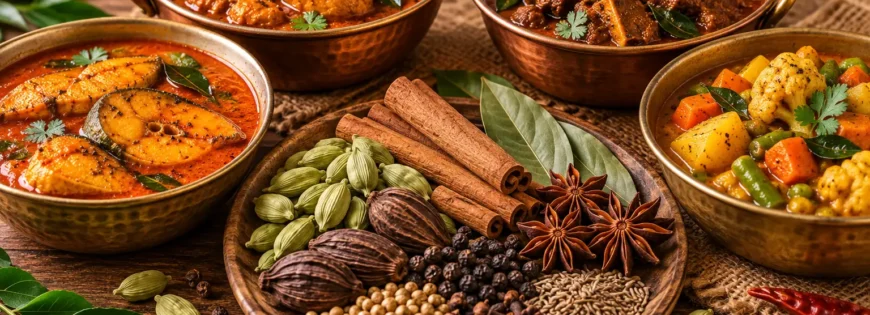
Chicken, mutton and vegetable curries require different spice combinations because the strength and character of the main ingredient changes considerably. Chicken works well with balanced aromatic spices such as green cardamom, cinnamon and cloves, while mutton can handle deeper flavours from black cardamom, star anise and stronger warming spices. Vegetable curries often benefit from lighter combinations that support rather than hide the taste of the vegetables.
Spices for Fish Curry: Which Whole Spices Work Best?
The best spices for fish curry usually include mustard seeds, black pepper, cumin and, depending on the regional preparation, small amounts of fenugreek or green cardamom. These ingredients contribute different layers of aroma without automatically making the dish hot. Mustard seeds add a nutty sharpness when tempered, while pepper supplies warm heat and cumin gives the gravy a slightly earthy background.
The gravy should also influence the combination you choose. Coconut-based fish curries can work especially well with black pepper, mustard and curry leaves, whereas tamarind-based preparations may benefit from cumin and carefully controlled fenugreek. Tomato-based curries can take slightly more warming spice, although the fish should still remain the central flavour of the dish rather than being covered by the seasoning.
Why Curry Type Changes the Spice Combination
Rich mutton curry can support deeper whole spices such as black cardamom, cinnamon, cloves, black pepper and star anise because the meat has enough flavour to balance them. Chicken sits between fish and mutton in intensity and therefore works well with fragrant but moderate combinations. Vegetables vary widely, but lighter whole spices such as cumin, mustard seeds, cardamom and bay leaf usually provide a practical starting point.
Whole Spices for Chicken, Mutton, Fish and Vegetable Curries
Different curries need different levels of spice intensity, so the main ingredient should guide the combination rather than using the same whole-spice mixture every time. Delicate fish generally needs lighter, sharper aromatics, while chicken can take moderate warming spices. Mutton can support deeper and smokier flavours, and vegetables usually benefit from spices that enhance their natural taste without overwhelming it.
| Curry | Whole Spices | Flavour Effect |
|---|---|---|
| Fish Curry | Mustard seeds, cumin, black pepper, fenugreek and selected cardamom | Sharp, warm and aromatic without becoming too heavy. |
| Chicken Curry | Green cardamom, cinnamon, cloves, pepper, cumin and bay leaf | Balanced warmth and fragrance. |
| Mutton Curry | Black cardamom, cinnamon, cloves, pepper, bay leaf and star anise | Deep, robust and warming. |
| Vegetable Curry | Cumin, mustard seeds, green cardamom, bay leaf and cinnamon | Light fragrance that supports the vegetables. |
Spices for Fish Curry: Build Flavour Without Overpowering Fish
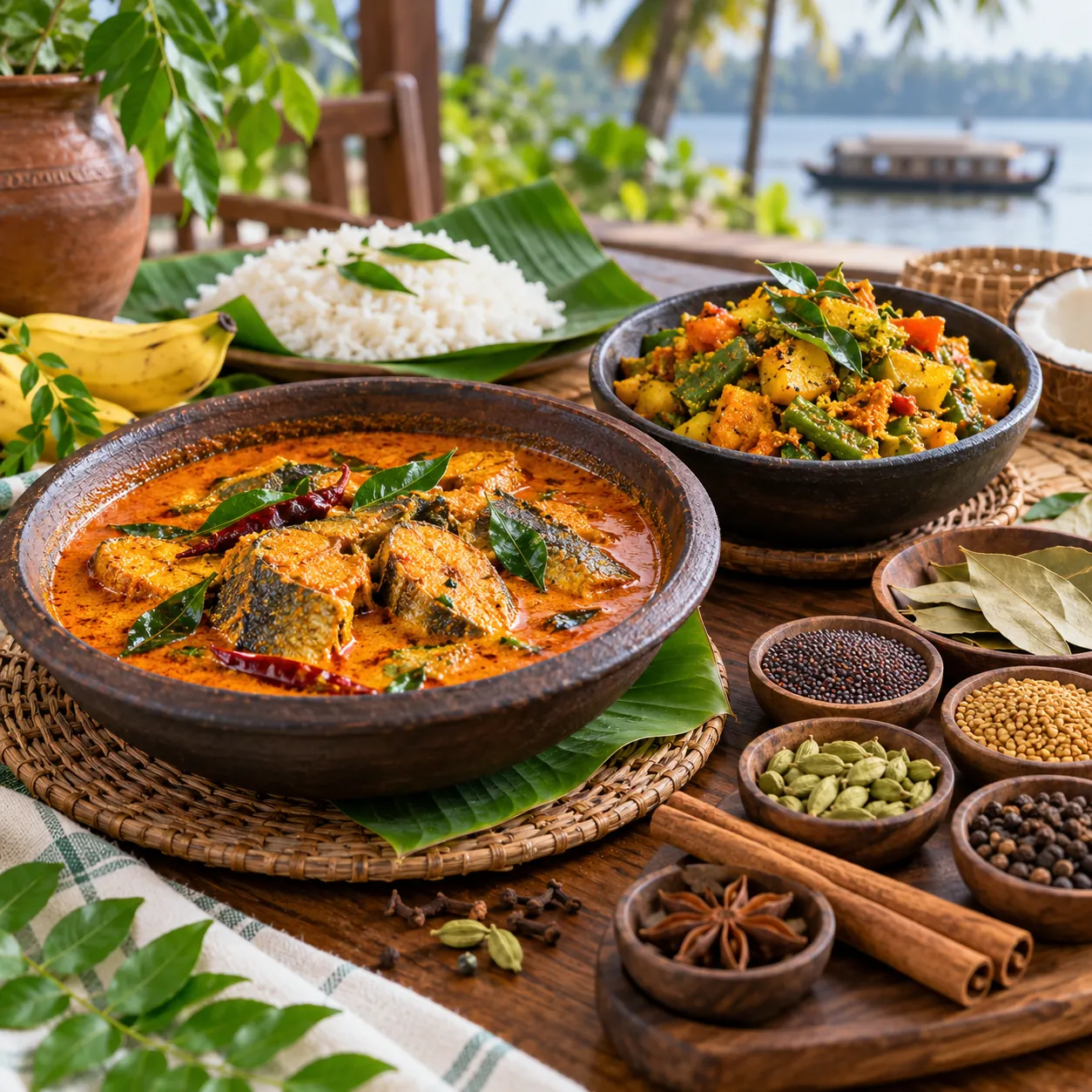
Spices for fish curry should complement the fish rather than hide its natural taste. Because fish is often more delicate than chicken or mutton, lighter and sharper aromatics usually work better than a large combination of powerful whole spices. Mustard seeds, cumin and black pepper can provide enough depth for many recipes while still allowing the flavour of coconut, tamarind, tomato or the fish itself to remain clear.
Mustard seeds add nutty sharpness when heated in oil, while black pepper creates a gentle warming sensation that is different from chilli heat. Cumin provides an earthy background and works particularly well when the gravy contains coconut, tomato or tamarind. These ingredients can be used together, but they should remain balanced so that one spice does not dominate the entire curry.
Fenugreek is another spice used in selected regional fish preparations because it contributes a mild bitter and slightly nutty character. However, it should be used carefully because too much can quickly dominate a delicate gravy. A small quantity is often enough to add complexity without changing the basic identity of the fish curry.
Mustard Seeds as Spices for Fish Curry
Mustard seeds are useful spices for fish curry because they develop a distinctive nutty and slightly sharp aroma when heated in oil. They are especially common in South Indian cooking and work naturally with ingredients such as coconut, tamarind, curry leaves, ginger and chilli. Tempering mustard seeds at the beginning of the recipe can help distribute their aroma throughout the cooking fat before other ingredients are added.
How to Temper Mustard Seeds Correctly
Heat the oil first and then add the mustard seeds, allowing them to crackle briefly. Once they begin popping, continue with the remaining aromatics rather than leaving them over strong heat for too long. Burnt mustard can introduce bitterness, while properly tempered seeds provide a cleaner nutty flavour that works particularly well in lighter fish curries.
Black Pepper for Fish Curry
Black pepper provides warm, aromatic heat without relying entirely on chilli, which makes it useful when you want to add depth while keeping the natural fish flavour noticeable. Freshly crushed pepper is particularly effective because breaking the peppercorn shortly before cooking releases a stronger fragrance than using pepper that has already been ground and stored for a long period.
What Black Pepper Pairs With
Pepper works especially well with coconut milk, curry leaves, ginger, garlic and lightly acidic ingredients. It can be added during cooking or finished with a smaller amount near the end, depending on the recipe. The quantity should remain moderate because excessive black pepper can quickly move from gentle warmth to a dominant spicy flavour.
Cumin as One of the Best Spices for Fish Curry
Cumin adds earthy warmth and helps connect the flavours of tomato, coconut, tamarind and other common gravy ingredients. When cumin seeds are lightly tempered, their aroma becomes deeper and slightly nutty. This can create a useful background layer in fish curry without introducing the intense floral or smoky characteristics associated with some stronger whole spices.
Use Cumin in Moderate Quantities
Delicate fish curries generally need only moderate quantities of cumin. If the spice becomes too prominent, it can make the gravy feel heavier and reduce the freshness of the fish. Using cumin as a supporting flavour rather than the main flavour usually creates a more balanced result, especially in coconut- or tamarind-based preparations.
Whole Spices for Chicken Curry
Chicken works with a wider range of whole spices because its mild flavour absorbs aromatics easily without being as delicate as most fish. Green cardamom, cinnamon, cloves, black pepper, cumin and bay leaf can create a balanced base that adds both fragrance and warmth. These spices also work naturally with the onion, tomato, ginger and garlic mixtures commonly used in Indian chicken curries.
The exact combination can change according to the richness of the gravy. A light chicken curry may need only a few cardamom pods, pepper and cumin, while a richer onion-and-tomato gravy can comfortably take cinnamon, cloves and bay leaf. The goal is to build layers gradually rather than creating a spice profile in which every ingredient competes for attention.
How to Balance Whole Spices in Chicken Curry
Begin with only a few whole spices in the cooking fat and allow their aroma to release before adding onions or other ingredients. Because chicken absorbs surrounding flavours during cooking, even a small amount of cardamom, cinnamon or cloves can influence the final dish. Using moderate amounts keeps the curry fragrant while allowing the chicken and gravy to remain recognisable.
Green Cardamom
Green cardamom adds a fresh floral fragrance that can lift rich chicken gravy and balance heavier onion, tomato or cream-based preparations. Because the aroma is distinctive, a few pods are usually enough for a medium-sized curry.
Cinnamon
Cinnamon provides woody warmth and a mild natural sweetness that works well with chicken, onion, tomato and ginger. A small piece can perfume the cooking oil and add depth without making the finished curry taste overtly sweet.
Cloves
Cloves contribute strong aromatic depth, so only a few are usually required. Their warm and slightly sharp character works especially well in richer chicken curries when combined carefully with cardamom, cinnamon, pepper and bay leaf.
How to Temper Whole Spices for Curry
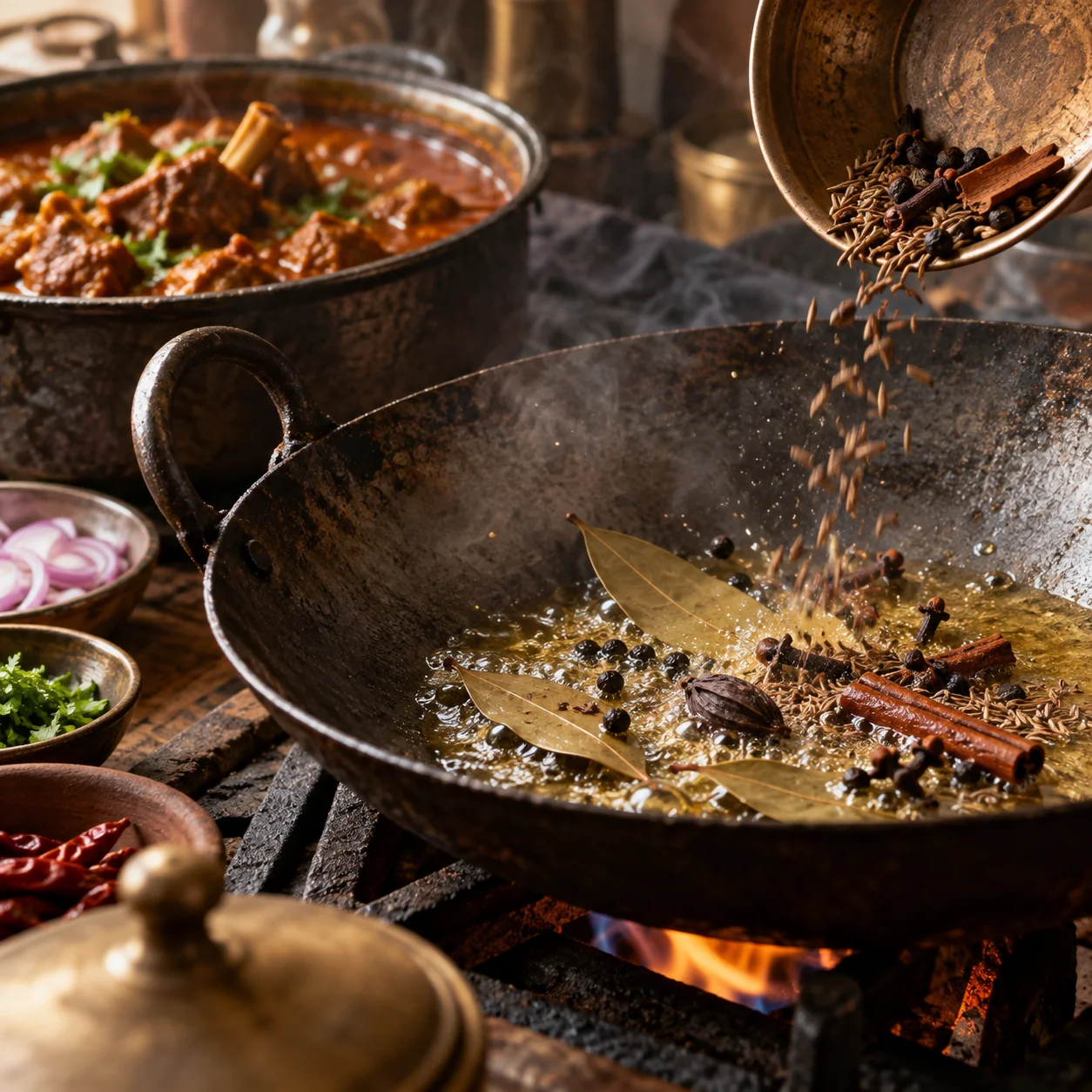
Whole spices release more aroma when they are briefly heated in oil or ghee, which is why many Indian curry recipes begin with tempering. Warm fat extracts aromatic compounds from the spices and helps distribute them through the gravy. However, the process should be brief because excessive heat can burn delicate spices and introduce unwanted bitterness.
Which Whole Spices Should Go Into the Oil First?
Start with hardy whole spices such as cinnamon, bay leaf, cloves or cardamom because they can tolerate slightly longer contact with hot oil. Once they become fragrant, add smaller or faster-cooking ingredients such as cumin and mustard seeds. Curry leaves, chillies and other quick aromatics are generally added after the initial whole spices have started releasing their fragrance.
Stop Tempering When the Spices Become Fragrant
The purpose of tempering is to release aroma rather than darken or burn the spices. Once you can smell their fragrance clearly and mustard or cumin begins reacting in the hot fat, move to the next stage of the recipe. Controlling the heat is particularly important with smaller seeds because they can change from aromatic to burnt very quickly.
Cooking tip: Once the whole spices become fragrant, continue the recipe rather than keeping them over intense heat. Proper tempering creates aroma and depth, while burnt spices can make the entire curry taste harsh or bitter.
Whole Spices for Mutton Curry
Mutton has a deeper and more pronounced flavour than fish or chicken, so it can support stronger whole spices and longer cooking times. Black cardamom, cinnamon, cloves, black pepper, star anise and bay leaf can build a rich aromatic base that complements slow-cooked meat without disappearing during the cooking process.
Cumin provides an earthy background and helps connect these stronger aromatic spices with onion, tomato, ginger and garlic. Because mutton curry often cooks for longer, whole spices have more time to release their aroma into the gravy. This makes careful quantity control important, since powerful spices can become increasingly noticeable as the curry reduces.
Why Stronger Spices Work With Mutton
Rich meat has enough flavour and fat to balance smokier, warmer and more intense spices. A combination that could overwhelm fish may feel appropriate in slow-cooked mutton. Nevertheless, using every strong spice at once is not necessary. A smaller, well-balanced combination usually creates more depth than adding large quantities of many different aromatics.
Black Cardamom for Mutton Curry
Black cardamom provides a smoky, earthy and slightly resinous depth that pairs naturally with slow-cooked meat. The flavour is much stronger than green cardamom, which means one or two pods can influence a large quantity of gravy. It works especially well with black pepper, cinnamon, cloves, bay leaf and other warming spices used in rich meat preparations.
Use Black Cardamom With Restraint
Too much black cardamom can make the curry taste heavily smoky, so begin with a small amount and allow it to infuse during cooking. Lightly crushing the pod before adding it can release more aroma, although a whole pod will also gradually perfume a long-cooked curry.
Star Anise for Mutton Curry
Star anise contributes a sweet, warm and liquorice-like fragrance that can add complexity to rich mutton gravy. The aroma is powerful, so even a small piece can become noticeable during slow cooking. It combines particularly well with cinnamon, black pepper and black cardamom when the goal is to create a deeper aromatic profile.
How Much Star Anise Should You Use?
Use star anise sparingly, especially when it is being combined with several other whole spices. A small portion can often provide enough fragrance for a household-sized curry. Adding too much can move the flavour away from the meat and make the sweet aromatic note more prominent than intended.
Whole Spices for Vegetable Curry
Vegetable curries usually need spices that support the natural taste and texture of the vegetables rather than cover them with an overly intense aromatic profile. Cumin, mustard seeds, green cardamom and bay leaf are useful starting points because they add fragrance and warmth while allowing potatoes, beans, cauliflower, peas and other vegetables to remain noticeable.
A small piece of cinnamon can contribute gentle warmth to richer vegetable gravies, while mustard seeds work particularly well with coconut, curry leaves and South Indian-style preparations. The ideal combination depends on the vegetables being cooked because root vegetables can take stronger warming flavours than more delicate vegetables.
Adjust Whole Spices to the Vegetable
Potatoes, carrots and other firm vegetables can support a slightly stronger combination of cumin, pepper or cinnamon. Delicate vegetables may need fewer spices and shorter cooking times. This approach keeps the seasoning proportional to the ingredient rather than treating every vegetable curry as though it needs the same spice mixture.
Cumin
Cumin adds earthy warmth to potatoes, beans, cauliflower and mixed vegetables. Tempering the seeds briefly in oil can deepen their aroma and create a useful savoury base without overpowering the natural character of the vegetables.
Mustard Seeds
Mustard seeds provide a sharp and nutty flavour when tempered correctly. They work especially well in vegetable curries that contain coconut, curry leaves, lentils or lightly acidic ingredients and are common in many South Indian preparations.
Bay Leaf
Bay leaf creates a gentle herbal background rather than a strong individual flavour. It can simmer in the gravy while other ingredients cook and works especially well in vegetable dishes that contain onion, tomato, rice or other warming whole spices.

Spices for Fish Curry: How Many Whole Spices Should You Use?
When choosing spices for fish curry, adding more ingredients does not automatically create better flavour. Fish has a relatively delicate taste, so a small group of complementary aromatics is often more effective than a large spice mixture. Mustard seeds, black pepper and cumin can provide enough sharpness, warmth and earthiness for many recipes without making the curry unnecessarily heavy.
The correct combination should also match the gravy. Coconut-based fish curry may benefit from mustard, pepper and curry leaves, while tomato-based preparations can handle slightly more cumin or warming spice. Tamarind-based curries often benefit from sharper, earthy aromatics, although every spice should still support the acidity rather than compete with it.
Start With a Small Spice Combination
Begin with two or three main whole spices and assess how they interact with the other ingredients. Additional aromatics can always be introduced through ginger, garlic, curry leaves or chilli. Keeping the whole-spice combination focused helps maintain the identity of the fish while still giving the curry enough complexity and depth.
Match Curry Spice Strength to the Main Ingredient
A useful cooking principle is to match the strength of the spice combination with the strength of the main ingredient. Delicate fish generally requires a lighter hand because powerful floral, smoky or sweet spices can easily dominate it. Chicken can handle medium-strength aromatics, especially when the curry contains onion, tomato, ginger and garlic.
Mutton has a richer natural flavour and usually cooks for longer, so deeper spices such as black cardamom, cinnamon, cloves, pepper and star anise can remain balanced in the final dish. Vegetables vary widely, meaning potatoes and root vegetables can support more warming spice while delicate vegetables often need a simpler combination.
Think About Cooking Time as Well as Ingredient Strength
Long cooking gives whole spices more time to infuse into the gravy, which can make them increasingly noticeable. A spice combination used in a quick fish curry may therefore need to be much lighter than one intended for slow-cooked mutton. Adjust both quantity and spice type according to the ingredient and cooking duration.
Common Mistakes When Using Indian Curry Spices
Using Every Whole Spice
Adding every available spice can make the curry confused and overly aromatic. Instead, choose a smaller group that suits the main ingredient and gravy so that each flavour contributes a clear purpose to the finished dish.
Burning the Spices
Whole spices should become fragrant during tempering, but they should not burn. Burnt cumin, mustard or other spices can introduce bitterness that remains throughout the curry, so control the heat and continue cooking once the aroma develops.
Ignoring Curry Strength
Fish and delicate vegetables generally need a lighter spice balance than rich mutton. Using an intense meat-curry combination in a mild dish can hide the main ingredient instead of supporting its natural flavour and texture.
Fresh Whole Spices Create Better Curry Aroma
Whole spices gradually lose aroma during storage, so freshness can affect how clearly they contribute to a curry. Black pepper, cardamom, cloves, cinnamon and other aromatic ingredients should still release their characteristic smell when rubbed, cracked or lightly crushed. Weak aroma may mean you need more spice to achieve the same flavour.
Look for properly dried whole spices with a clean appearance and recognisable fragrance. Packaging should help protect them from unnecessary moisture and air exposure, while opened spices should be stored in tightly closed containers or resealed pouches.
Store Whole Curry Spices Away From Heat and Moisture
Keep spices in a cool and dry cupboard away from direct sunlight, cooking steam and hot appliances. Use clean, dry spoons when removing spices from containers because unwanted moisture can affect dry ingredients during storage. Proper storage helps protect aroma between cooking sessions and reduces avoidable quality loss.
Explore Whole Spices for Indian Curries
A relatively small collection of versatile whole spices can support fish, chicken, mutton and vegetable curries. Cardamom, black pepper, cinnamon, cloves, bay leaf, star anise and similar ingredients can be combined differently depending on whether you need floral fragrance, warming heat, earthy depth or a richer slow-cooked aroma.
Therefore, you can explore the Idukki Spices whole spice collection for cardamom, black pepper, cinnamon, cloves, bay leaf and other ingredients suitable for a variety of Indian cooking styles.
Choose Authentic Kerala Spices Online
Freshness, aroma, visible quality and packaging matter when buying whole spices online because you cannot smell or handle the product before ordering. Clear photographs and product descriptions can help you understand what you are buying, while appropriate packaging helps protect dry spices during storage and delivery.
You can also read our guide to buying authentic Kerala spices online for practical checks covering freshness, origin, packaging, seller information, product photographs, customer reviews and overall value before placing an online order.
Learn More About Indian Spices
For additional information about Indian spices, production and the wider spice industry, visit Spices Board India . The official resource provides broader information related to Indian spices and can be useful when you want industry-level context beyond individual products, recipes or online sellers.
Kitchen principle: Use spices to support the main ingredient rather than compete with it. Delicate fish generally needs lighter seasoning, chicken works well with balanced aromatic spices, while rich mutton can comfortably handle deeper and stronger whole-spice combinations.
Spices for Fish Curry and Other Curries: Final Guide
For spices for fish curry, begin with ingredients such as mustard seeds, black pepper and cumin because they can add aroma, earthiness and warmth without automatically overwhelming the fish. Depending on the regional recipe, carefully controlled fenugreek, green cardamom or other aromatics can also be introduced to complement coconut, tomato or tamarind-based gravies.
Chicken works well with cardamom, cinnamon, cloves, cumin, pepper and bay leaf because its mild flavour absorbs aromatic spices easily. Rich mutton can take stronger ingredients such as black cardamom and star anise, especially when the meat is cooked slowly and the spices have time to infuse into the gravy.
Vegetable curries often work best with cumin, mustard seeds, green cardamom and bay leaf, although the correct combination depends on the vegetables being cooked. Firm root vegetables can take more warming spice, while delicate vegetables usually benefit from lighter seasoning that allows their natural flavour to remain noticeable.
Choose the Spice Combination According to the Curry
There is no single whole-spice mixture that is ideal for every curry. The best combination depends on the main ingredient, the type of gravy, the cooking time and the flavour profile you want to create. Choosing spices with those factors in mind produces a more balanced curry than simply adding every whole spice available in the kitchen.
Final takeaway: Choose lighter and sharper whole spices for delicate fish curries, balanced aromatic spices for chicken, deeper whole spices for slow-cooked mutton and supportive, moderate combinations for vegetable curries.
Explore Whole Spices from Idukki Spices
Discover cardamom, black pepper, cloves, cinnamon, bay leaf, star anise, nutmeg and mace for fish, chicken, mutton and vegetable curries. Build a practical collection of whole spices that can be combined differently according to the curry, gravy and flavour profile you are preparing.
Explore Whole SpicesFrequently Asked Questions About Spices for Fish Curry
These answers cover common questions about choosing spices for fish curry and balancing whole spices across chicken, mutton and vegetable curries. The exact combination can still vary according to regional cooking style, gravy ingredients and personal preference.
What are the best spices for fish curry?
Mustard seeds, black pepper and cumin are useful starting points for many fish curries because they add sharpness, warmth and earthiness without becoming excessively heavy. Fenugreek, green cardamom or other aromatics can also be used depending on the regional recipe and whether the gravy is based on coconut, tomato or tamarind.
Can cardamom be used as one of the spices for fish curry?
Yes. Green cardamom can be used in selected fish curries, but it should generally be added carefully because its floral fragrance can become prominent in a delicate gravy. One or two lightly crushed pods may be sufficient depending on the quantity of curry and the other spices being used.
Which whole spices work well with chicken curry?
Green cardamom, cinnamon, cloves, black pepper, cumin and bay leaf work well with many chicken curries. They create a balanced combination of floral fragrance, woody warmth and savoury depth that pairs naturally with onion, tomato, ginger and garlic-based gravies.
Which whole spices work well with mutton curry?
Black cardamom, cinnamon, cloves, pepper, bay leaf and star anise can complement rich mutton curry because the meat can support deeper and stronger aromatics. Cumin can also provide an earthy background and help connect the stronger spices with the gravy.
Which spices are good for vegetable curry?
Cumin, mustard seeds, green cardamom, bay leaf and small amounts of cinnamon are useful options for vegetable curry. The ideal combination depends on the vegetables, because potatoes and root vegetables can take stronger warming flavours while delicate vegetables often need lighter seasoning.
Should whole spices be tempered before making curry?
Often, yes. Heating whole spices briefly in oil or ghee helps release their aroma into the cooking fat, which then carries that fragrance throughout the curry. The spices should become aromatic without burning, because excessive heat can create unwanted bitterness.
Can the same spices be used for every curry?
Not always. Fish, chicken, mutton and vegetables have different flavour strengths and cooking times, so each needs a slightly different balance. Delicate fish generally suits lighter aromatics, while mutton can support stronger and deeper whole spices during longer cooking.
How should whole curry spices be stored?
Keep whole spices in tightly closed containers or properly resealed pouches in a cool and dry place away from strong sunlight, cooking steam and excess heat. Using clean and dry spoons also helps prevent unnecessary moisture from entering the container during regular use.